A dental injury can happen in a split second—whether from a sudden sports collision on the field, an accidental fall, or a road mishap on Kolkata’s busy streets. When a tooth is severely cracked, loosened, or completely knocked out, time is your absolute biggest enemy. Getting to the right dental specialist within the first 60 minutes can mean the difference between saving your natural tooth and losing it forever.
At The 32 Pearls Dental Clinic, we provide hospital-grade emergency dental trauma management right here in Kolkata. Equipped with on-call maxillofacial surgeons and root canal specialists (endodontists), our chamber is optimized to handle acute dental injuries swiftly, safely, and with deep empathy.
Types of Dental Trauma We Treat
Dental trauma can affect the crown of the tooth, the roots embedded in the jawbone, or the surrounding gum tissues. We provide expert care for all levels of injury:
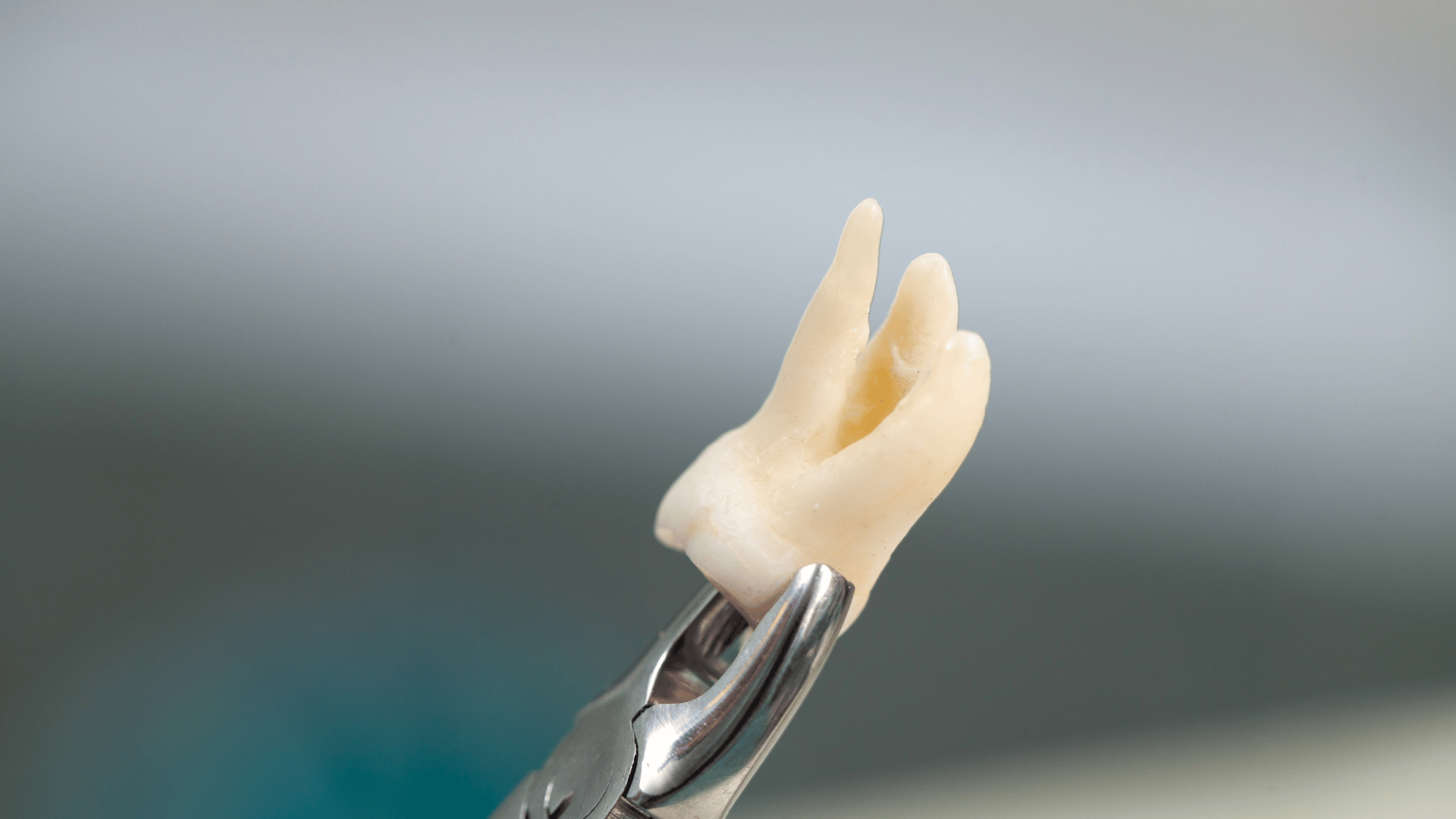
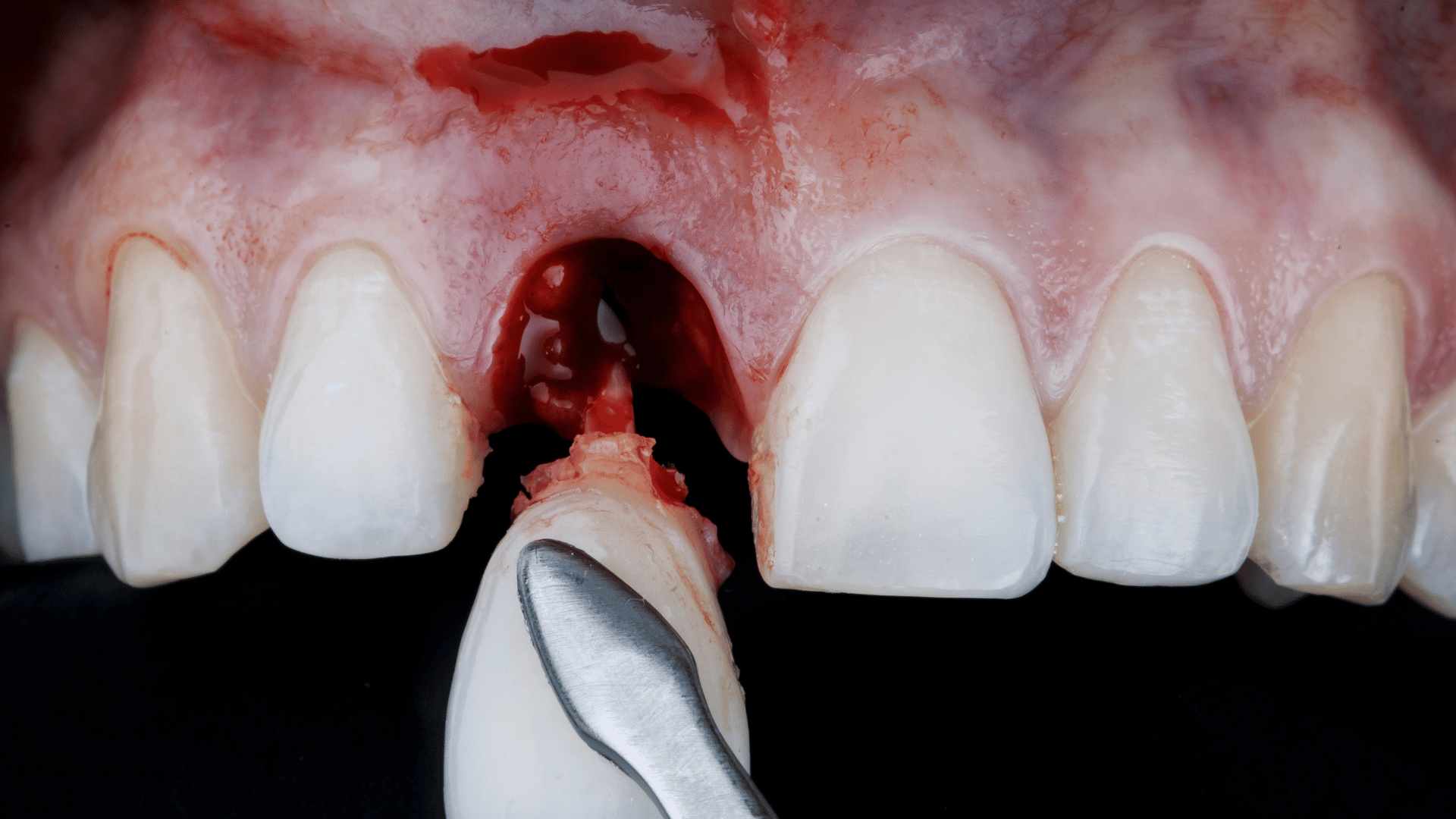
- Avulsed Tooth (Completely Knocked Out): The entire tooth comes out of its socket. If preserved correctly and brought to us within an hour, we can frequently replant it successfully.
- Luxated Tooth (Loosened or Shifted): The tooth is pushed sideways, forward, or driven deeply into the socket, stretching or tearing the supporting fibers.
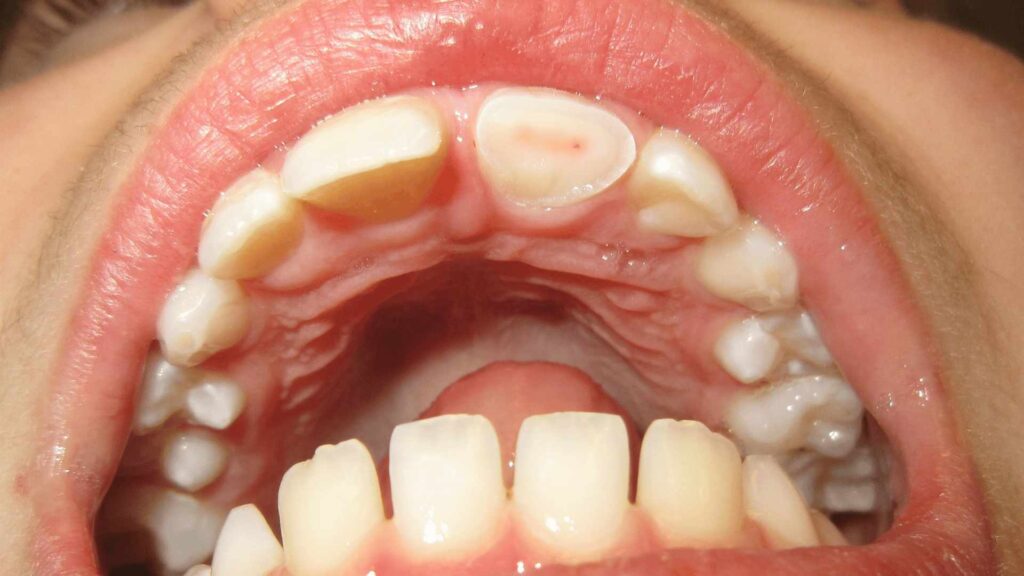
- Fractured Crowns or Roots: Cracks ranging from minor enamel chips to deep fractures that split the internal dental pulp or break the root beneath the gum line.
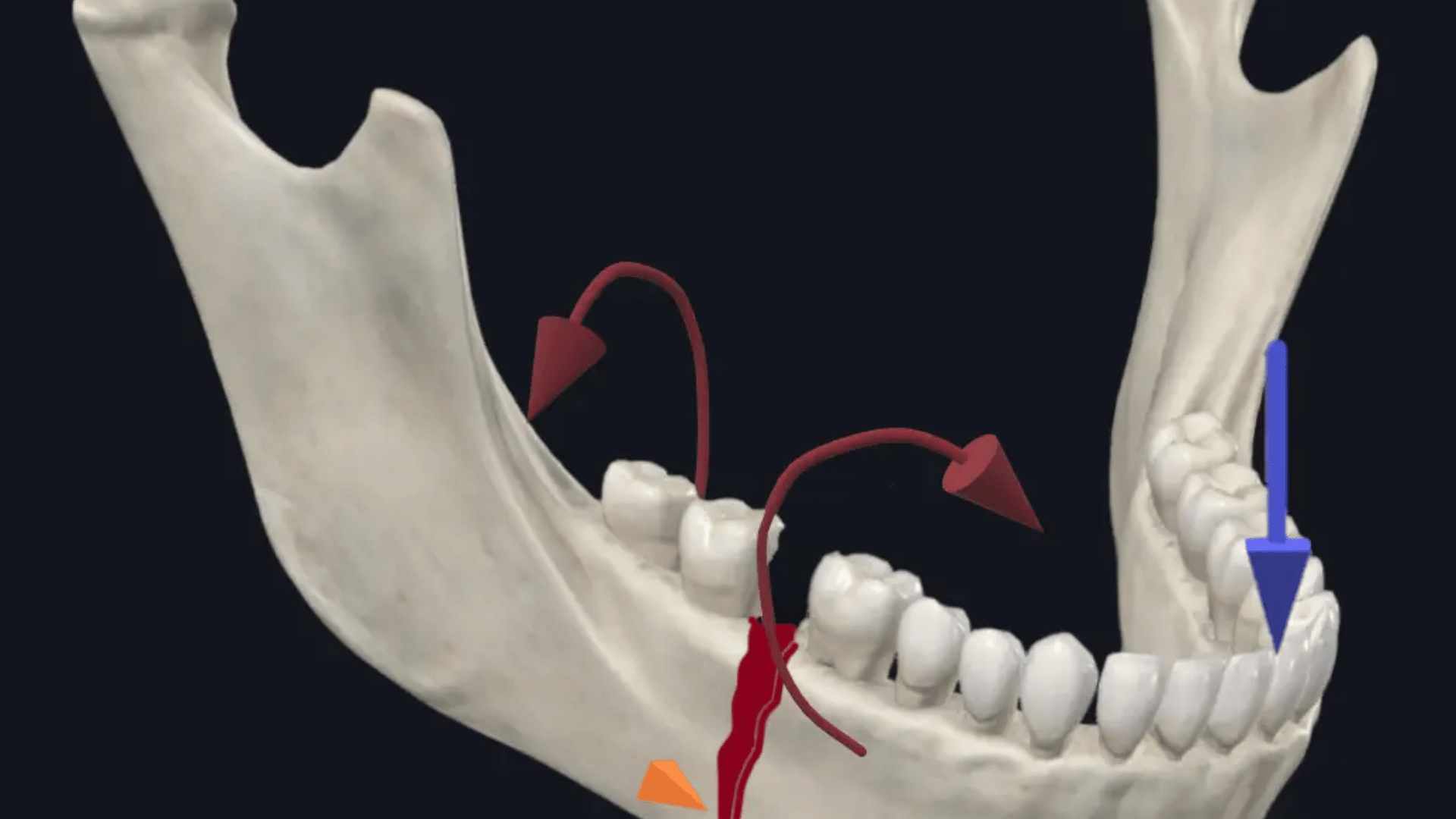
- Alveolar Bone Fractures: Traumatic impacts that fracture the thick bony socket walls holding your teeth in position.
Emergency Action Protocol: What to Do Immediately
If a permanent tooth is completely knocked out (avulsed), follow these life-saving steps before you reach our Kolkata chamber:
1.Handle by the Crown Only: Find the tooth immediately. Pick it up only by the white crown (the chewing surface). Never touch, scrub, or scrape the raw root surface, as this destroys the microscopic living cells needed for reattachment.
2.Rinse Gently: If the tooth is covered in dirt or debris, rinse it gently under cold, running tap water or clean milk for 10 seconds. Do not use soap, chemicals, or rub it dry with a tissue.
3.Store in a Healing Medium: The tooth root cells must stay hydrated. Immediately place the tooth into a small container filled with cold, fresh milk, or coconut water. If neither is available, place it inside the patient’s mouth between their cheek and gums to keep it wet with saliva. Do not store it in plain tap water.
4.Rush to Our Chamber: Bring the patient and the stored tooth to our clinic immediately. Replanting the tooth within 30 to 60 minutes gives it the absolute highest chance of surviving permanently.
How We Treat Traumatized Teeth
Our emergency management protocol focuses on eliminating acute pain, restoring structural integrity, and conserving your natural teeth:
1. Advanced Tooth Splinting
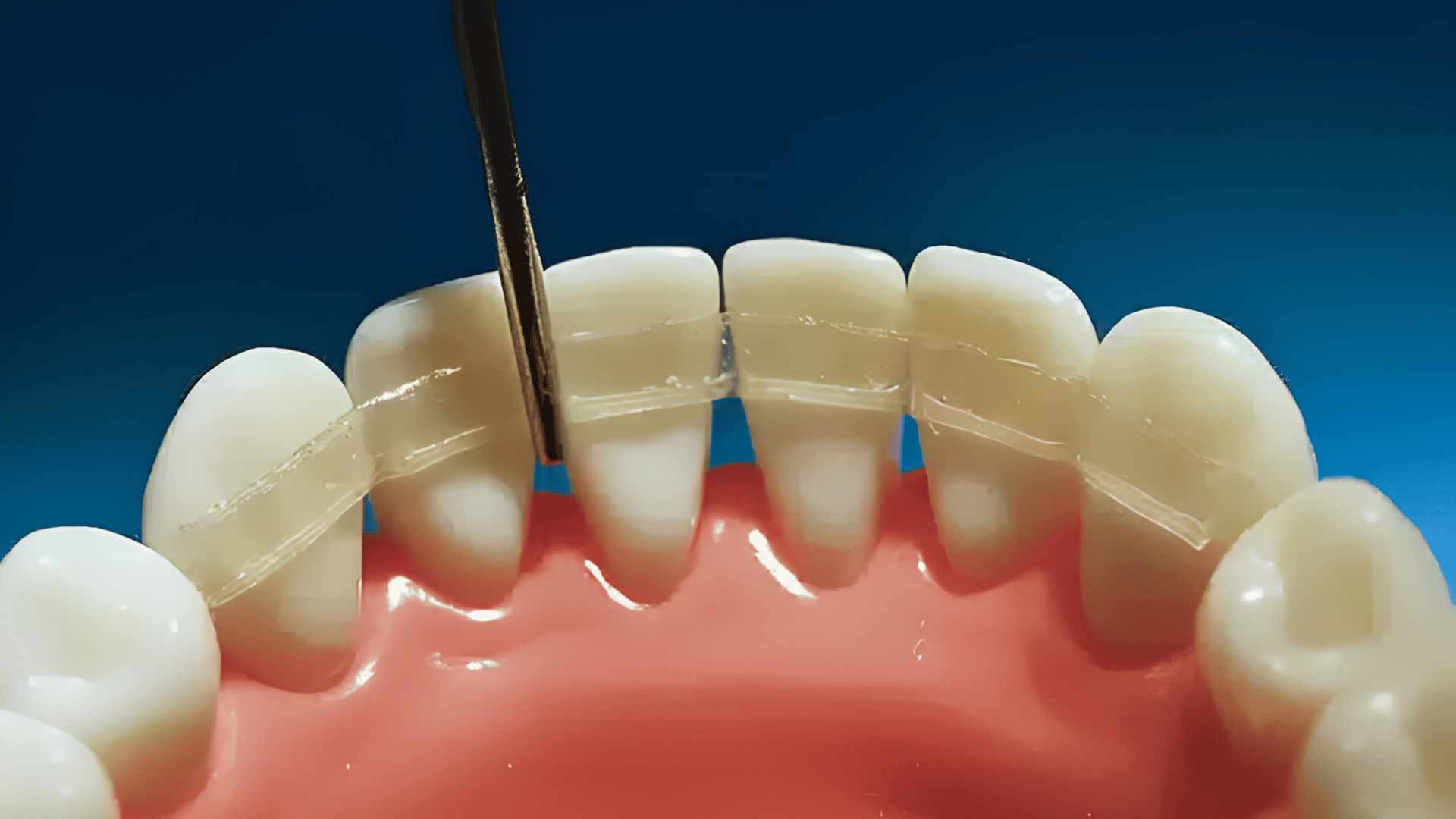
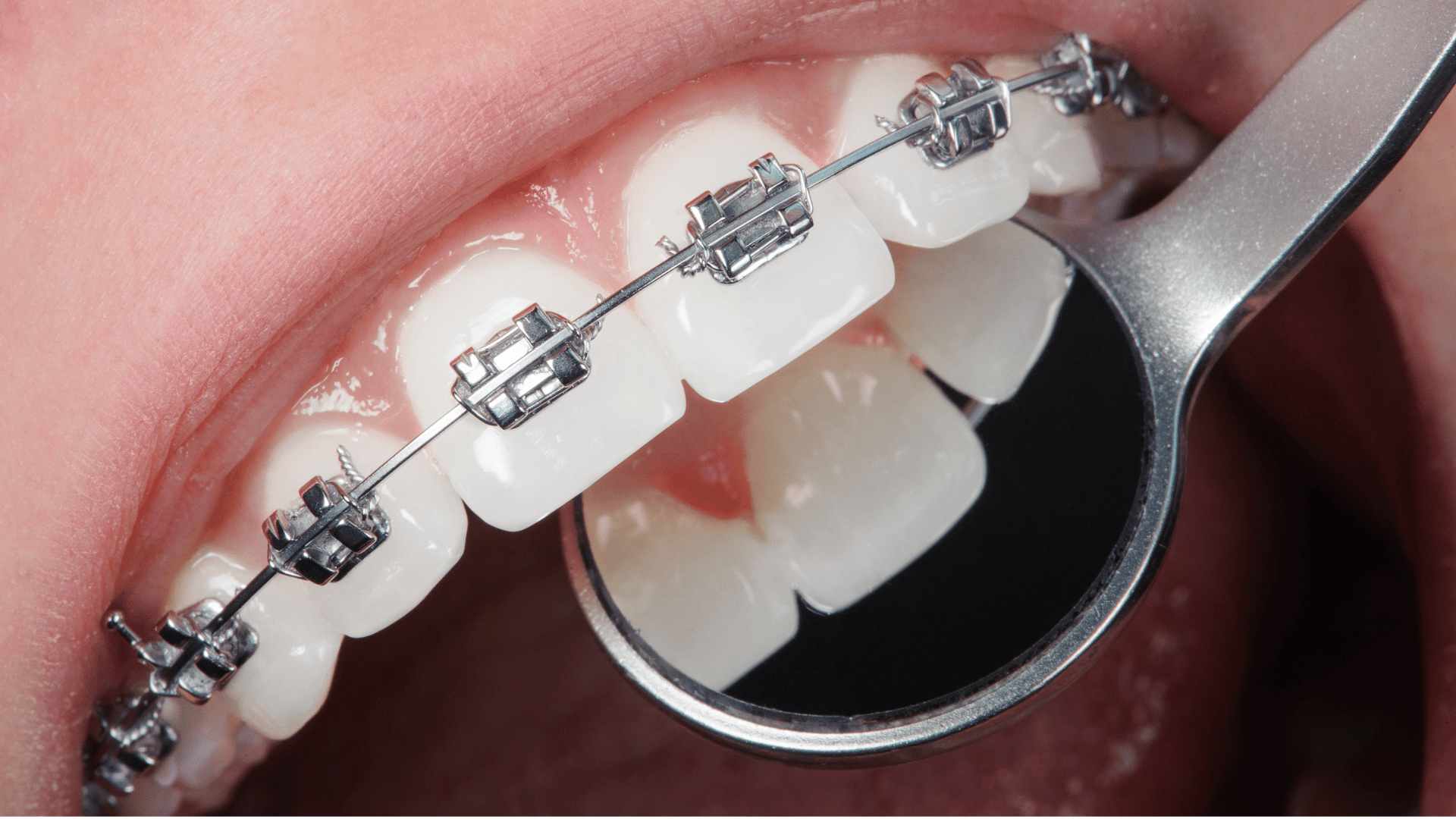
- For loose, shifted, or replanted teeth, we utilize high-tensile, flexible fiberglass ribbons or medical wires. The loose tooth is bonded securely to its healthy neighbors, holding it completely still for 2 to 4 weeks so the underlying bone and ligaments can heal securely.
2. Emergency Root Canal Therapy (RCT)
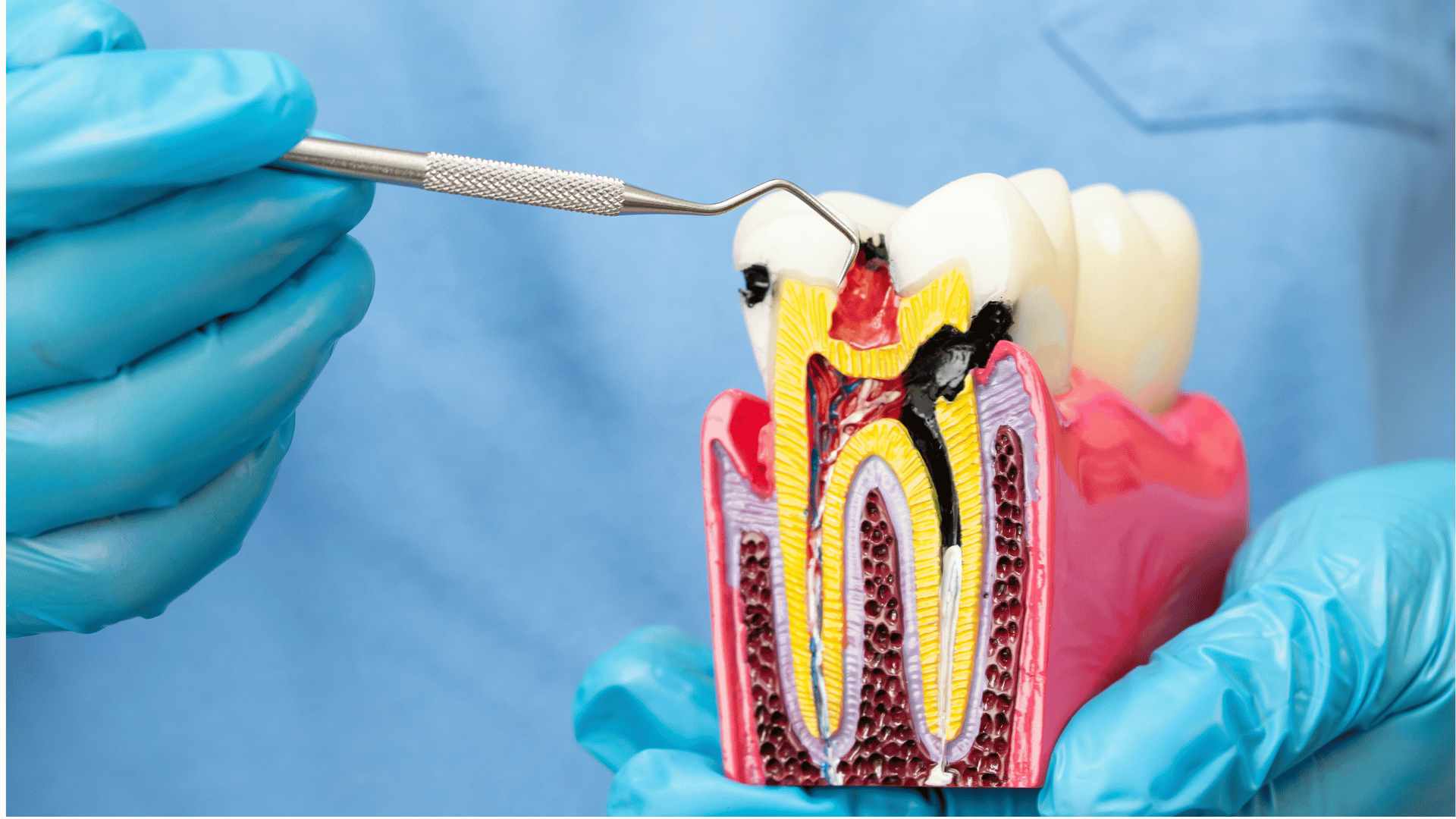
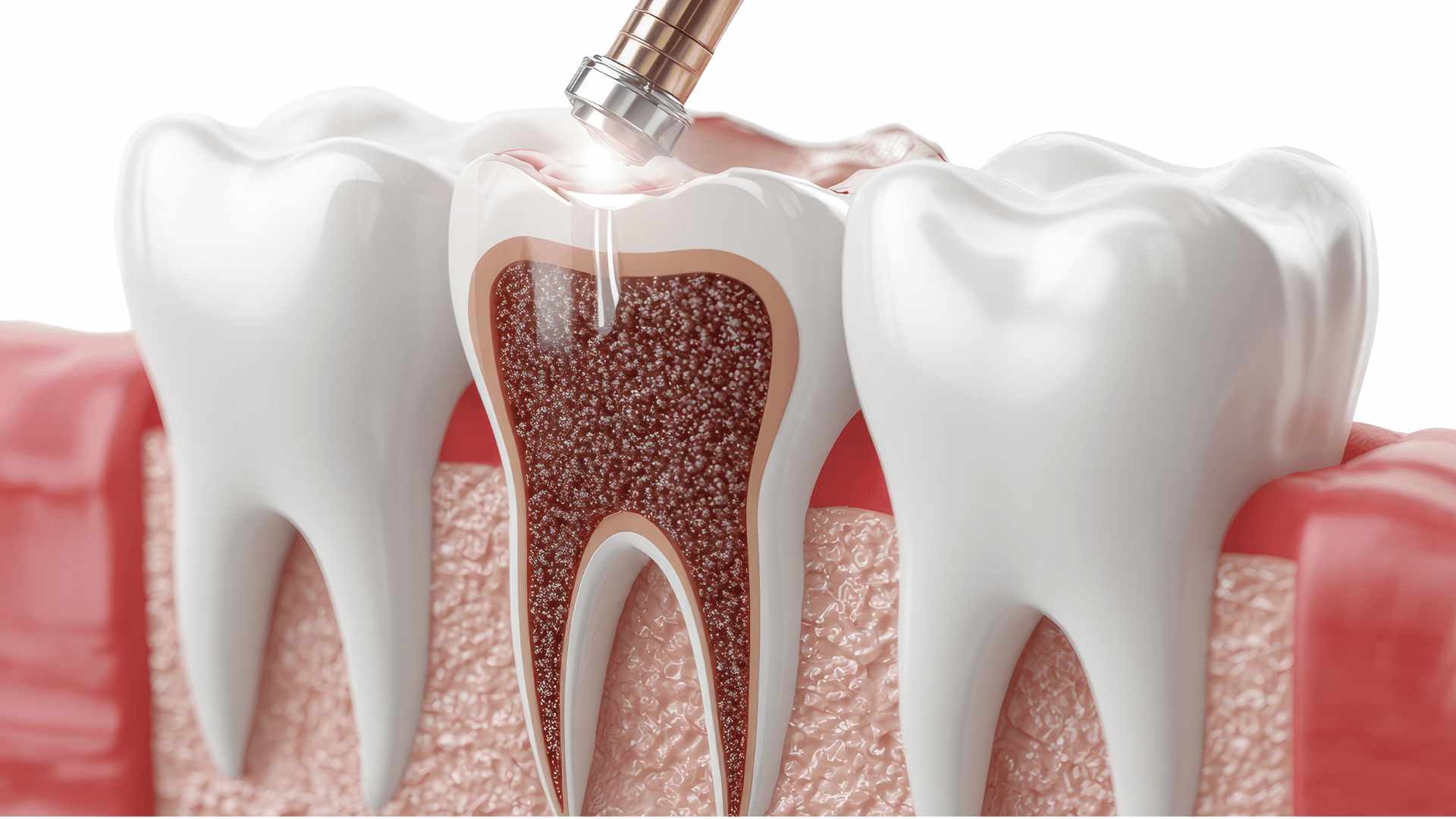
- Severe fractures often expose the tooth’s internal nerve (dental pulp), leading to intense pain and bacterial infection. Our endodontists perform micro-precise root canal procedures to clear the damaged nerve, save the tooth structure, and seal it safely against future infections.
3. Laser Aesthetic Restorations
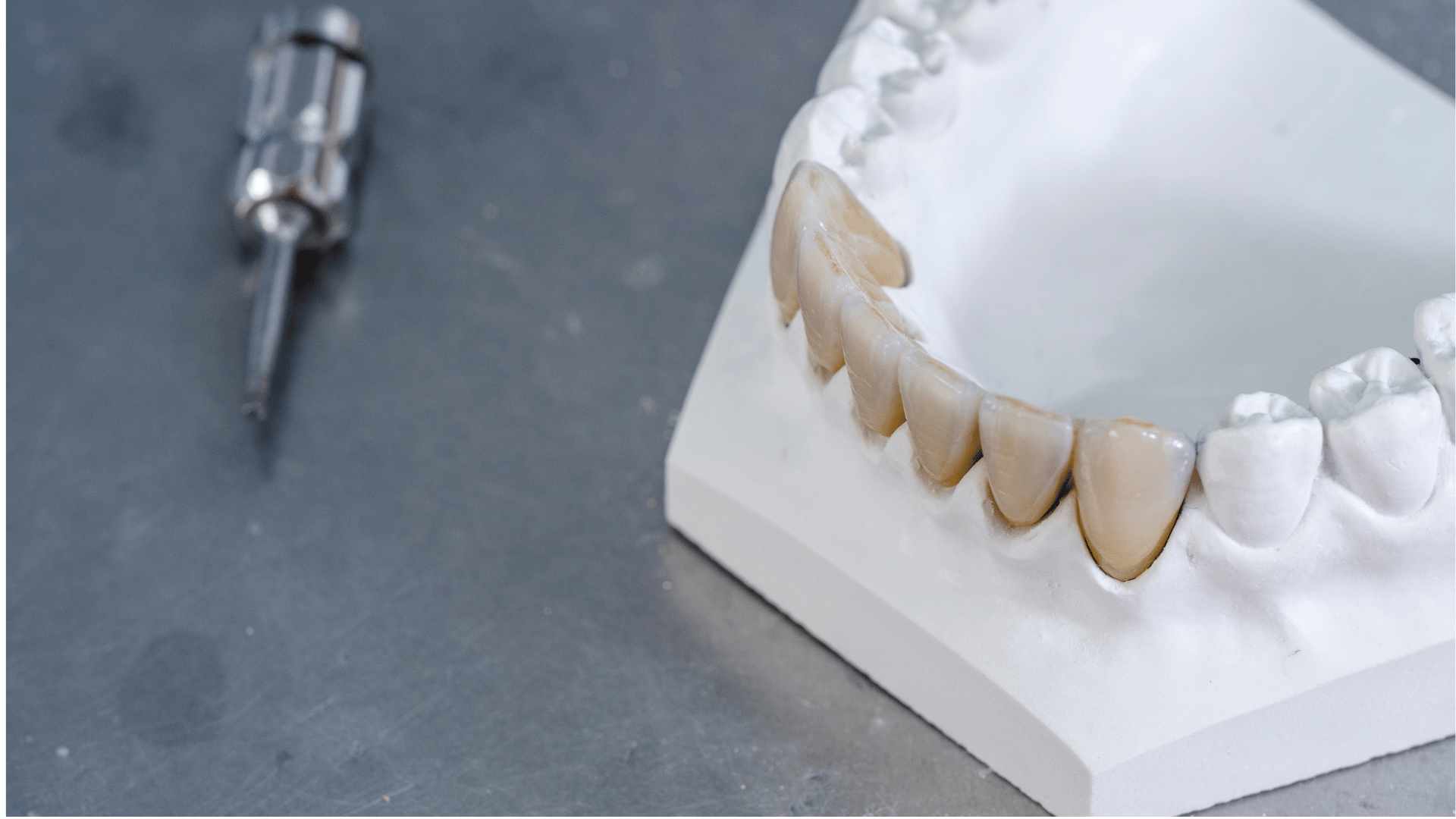
- If a tooth is chipped or snapped in half, we use advanced, premium composite bonding materials matching your exact enamel shade. Using cosmetic layering techniques, we reconstruct the missing portion of the tooth seamlessly in a single visit.
Why Kolkata Trusts The 32 Pearls Dental Clinic for Dental Emergencies
- On-Call Trauma Team: We feature an active rotation of Oral & Maxillofacial Surgeons and Endodontists who specialize in managing acute maxillofacial impacts and dental emergencies.
- Outpatient Hospital Alternative: Avoid the hours-long queues and massive overhead costs of a hospital emergency room. We manage dental trauma immediately right at our advanced outpatient chamber.
- Transparent Emergency Pricing: Emergency trauma care varies based on the severity of the injury. We provide immediate clarity on treatment costs directly after the initial visual and diagnostic X-ray assessment—no hidden billing layers.