

Splinting of Mobile Teeth
Home / Splinting of Mobile Teeth
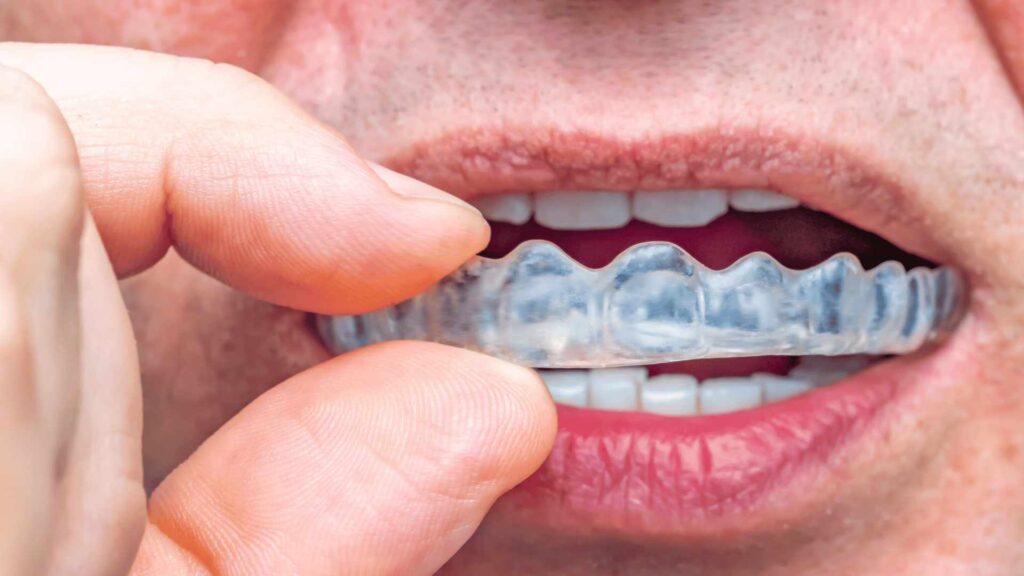
Save Your Loose Teeth with Advanced Dental Stabilization
Discovering that one or more of your permanent teeth are loose or shaking can be incredibly alarming. Whether it is a single tooth destabilized by an accidental injury or multiple teeth loosened by chronic gum disease, your first instinct might be to panic and assume you need an extraction.
Fortunately, you don’t have to lose your natural smile. Dental splinting is an advanced, minimally invasive procedure designed to save mobile teeth. By joining loose teeth together to healthier, more stable neighboring teeth, a splint shares the biting workload and gives your bone and gum tissues the absolute stillness they need to heal and firmly anchor your teeth back into place.
At The 32 Pearls Dental Clinic, we specialize in fast, completely painless tooth splinting therapies using premium, invisible materials right here in Kolkata.
Why Do Permanent Teeth Become Loose?
A permanent tooth is held in place by a complex network of fibers called the periodontal ligament and the surrounding jawbone. Teeth become mobile when these supporting structures are damaged or worn down. The most common causes include:
- Advanced Gum Disease (Periodontitis): Chronic bacterial infections that silently dissolve the jawbone and gum tissues supporting your teeth, causing them to shake over time.
- Dental Trauma: Sudden physical impact from a sports injury, a fall, or a road mishap that sprains or tears the fibers holding the tooth in its socket.
- Bruxism (Teeth Grinding): Chronic, unconscious night grinding or clenching that places immense, unnatural pressure on the teeth, stretching the supporting ligaments out of shape.
- Secondary Occlusal Trauma: When a misaligned bite or a high tooth filling forces excessive biting pressure onto a single tooth every time you chew.
Types of Dental Splints We Offer
At our Kolkata dental chamber, we use modern, highly aesthetic materials so your splint remains virtually unnoticeable to others.
1. Composite & Fiber-Reinforced Ribbon Splints (Most Popular)
- How it works: We use a specialized, ultra-thin, medical-grade glass fiber ribbon. It is placed along the back surface (inside) of your teeth and bonded securely using tooth-colored composite resin.
- The Benefit: It is incredibly strong, flexible enough to allow natural micro-movements, and completely invisible when you smile or talk.
2. Stainless Steel Wire Splinting
- How it works: A very fine, surgical-grade stainless steel wire is contoured to the shape of your teeth and bonded to the enamel.
- The Benefit: Highly durable and typically preferred for stabilizing teeth that have suffered severe trauma or fractures from an accident.
3. Temporary vs. Permanent Splints
- Temporary Splints: Kept in place for a few weeks to a few months to let a traumatized tooth heal or during the active phase of gum disease treatment.
- Permanent/Semi-Permanent Splints: Left on indefinitely for patients with severe, irreversible bone loss from advanced periodontitis, ensuring the teeth remain anchored for years to come.
The Splinting Procedure: Quick and Pain-Free
Tooth splinting is a completely non-invasive procedure that rarely requires drilling or injections.
1.Evaluation & Digital Diagnostics: Our periodontist checks the exact mobility grade of your teeth and takes a digital RVG X-ray to assess the remaining jawbone levels and check for any hidden root fractures.
2.Surface Preparation: The teeth must be 100% clean for the bond to hold. We thoroughly remove any plaque, tartar, and staining from the teeth before gently etching the enamel surface to prepare it for bonding.
3.Ribbon Alignment & Bonding: The specialized fiber ribbon or wire is precisely adapted across the stable and loose teeth. We apply a tooth-colored composite material over it and use a specialized UV curing light to harden it instantly into place.
4.Polishing & Bite Adjustment: Our dentist trims and polishes any rough edges so the splint feels completely smooth to your tongue. We carefully check your bite to ensure no unnatural pressure points remain when you chew.
Essential Rules for Living with a Dental Splint
Because a splint connects multiple teeth together, food particles can get trapped easily. Maintaining your oral hygiene is vital to prevent decay or further gum disease:
Nutritional Care | Oral Hygiene Care |
Avoid Biting Directly: Do not bite into hard, crunchy, or sticky foods (like raw apples, guava, sugarcane, hard nuts, or sticky candy) using the splinted teeth. | Interdental Brushing: You cannot use regular floss normally between splinted teeth. You must use specialized interdental brushes or a water flosser to clean beneath the splint wire. |
Cut Food Into Small Pieces: Cut fruits and solid foods into bite-sized portions and chew them carefully using your stronger back molars. | Antiseptic Rinsing: Use your prescribed chlorhexidine mouthwash daily to keep bacteria from accumulating along the margins of the splint. |
Why Kolkata Trusts The 32 Pearls Dental Clinic to Save Loose Teeth
- Expert Gum Specialists (Periodontists): Mobile teeth are heavily linked to bone and gum health. At our chamber, splinting cases are designed and executed by senior Periodontists who specialize in saving teeth threatened by severe bone loss.
- Premium Aesthetic Materials: We import advanced, high-tensile fiberglass splint materials that offer the perfect balance between unbreakable structural strength and a natural visual appearance.
- Comprehensive, Honest Care: We don’t believe in quick fixes. We accurately diagnose whether a tooth can be successfully saved or if an extraction is genuinely the healthier option for your jaw, ensuring you don’t spend money on therapies destined to fail.
Other Services
Make An Appointment
Apply For Treatments
Frequently Asked Question
Does the tooth splinting procedure hurt?
Not at all! Splinting is a completely non-invasive surface procedure. There is no drilling into the tooth structure and no needles are required. It is as comfortable and simple as getting a routine dental filling.
Can splinting permanently cure my loose teeth?
A splint is a stabilization tool, not a standalone cure. If your teeth are loose due to gum disease, the splint simply holds them quiet while our periodontist performs deep scaling, root planing, or flap surgery to heal the gums. Splinting must always be combined with proper gum treatments to yield long-term success.
How long does a dental splint need to stay on?
If the looseness was caused by a temporary injury or accident, the splint is typically removed after 2 to 4 weeks once the ligaments heal. However, if the cause is severe, irreversible bone loss from gum disease, the splint may need to stay on semi-permanently or permanently to preserve your teeth.
Will the splint look obvious or ruin my smile?
No. We primarily use high-aesthetic fiberglass ribbons that are attached to the lingual (inner/back) surfaces of your teeth. The material is completely covered by tooth-colored composite resin, making it completely invisible from the front when you smile, laugh, or speak.
What happens if a part of my splint comes loose or breaks?
If you accidentally chew something very hard and feel a portion of the splint snap or detach, do not panic. Call our Kolkata chamber right away. It is incredibly easy for us to clean the small area and re-bond that specific section back into place in a short, 10-minute visit.