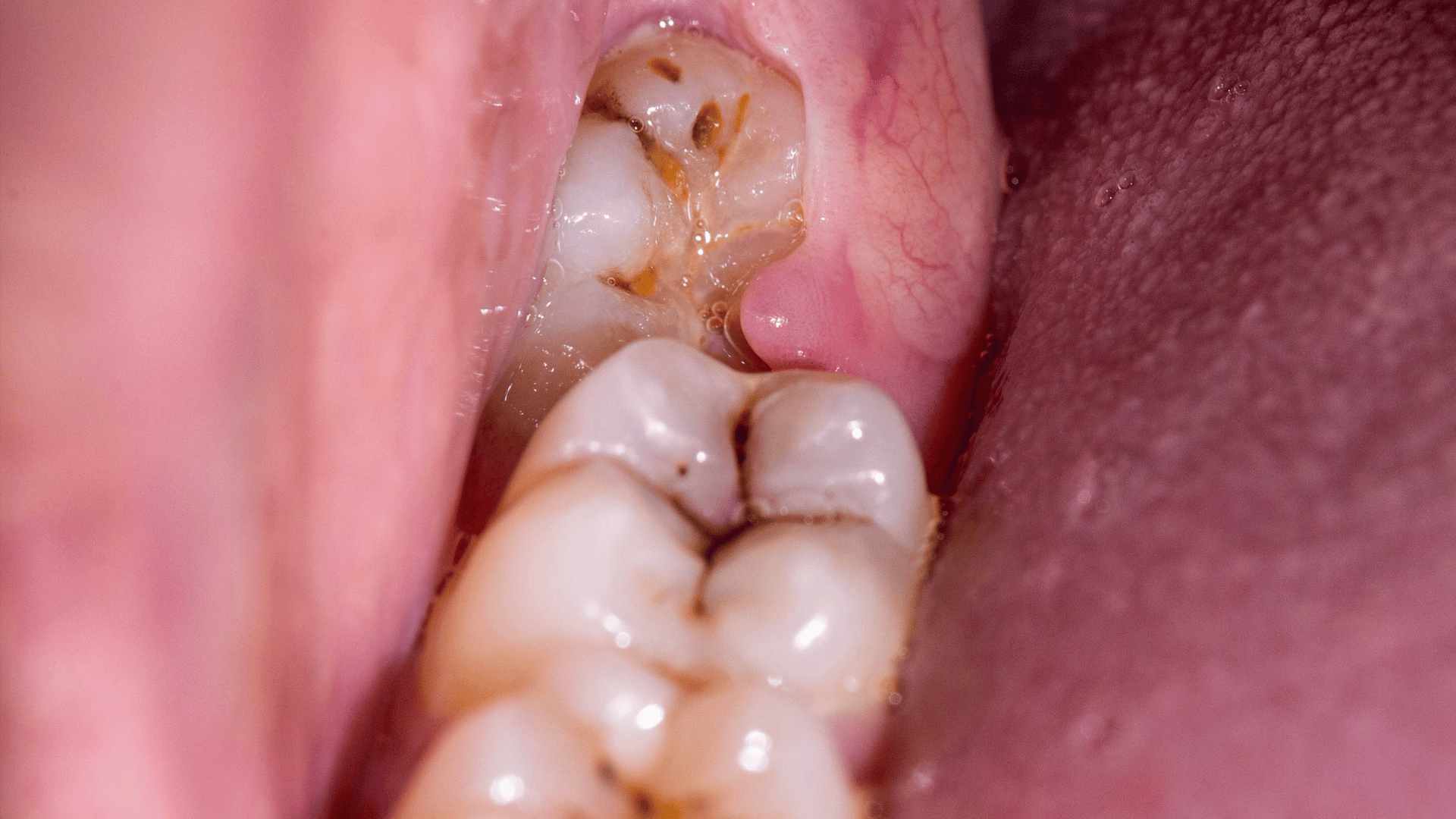
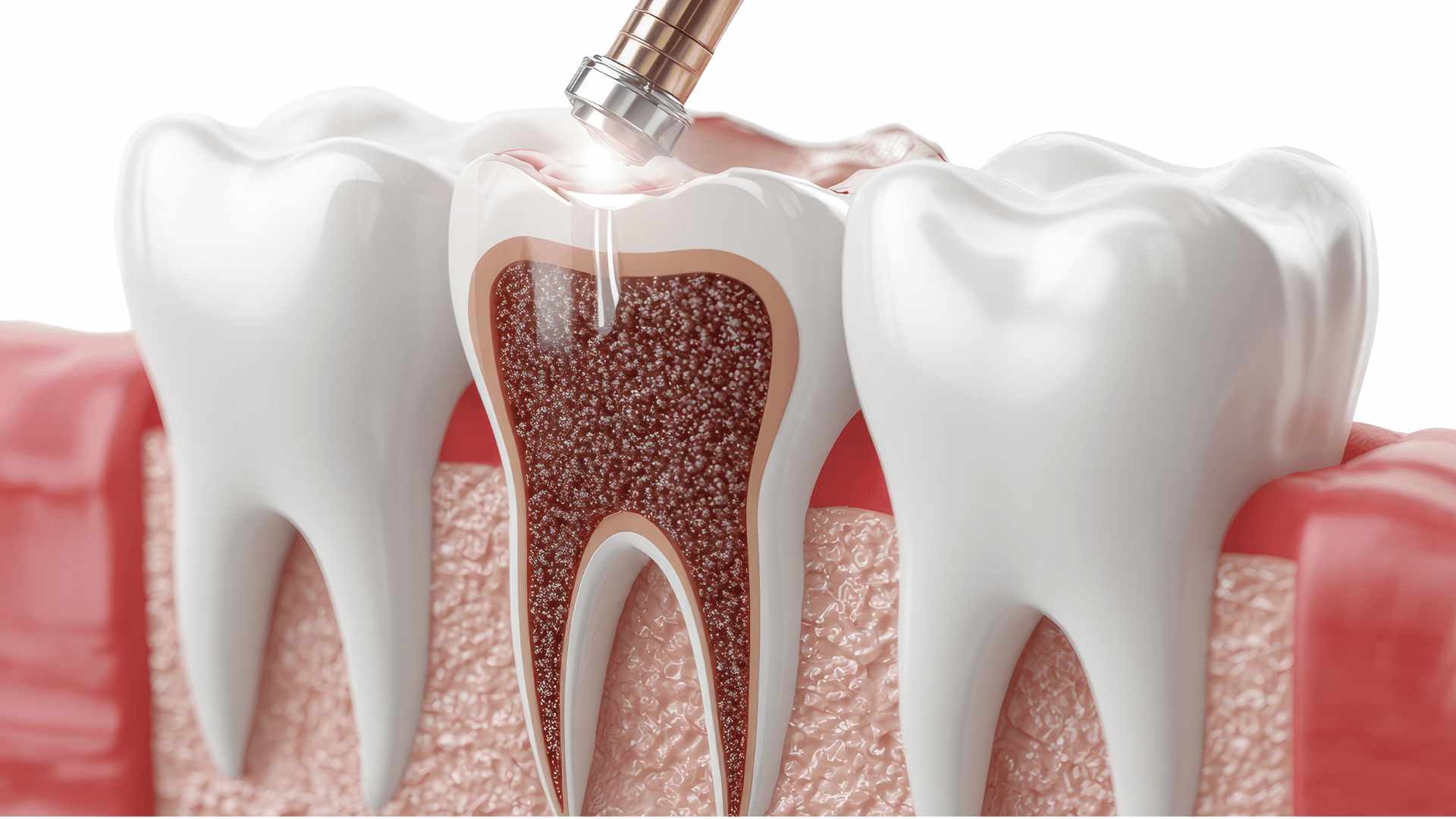
A deep, continuous toothache that worsens when you lie down or spikes when you sip a hot cup of Kolkata bhaar er cha is a clear warning sign. It usually means that tooth decay has broken through your outer enamel and infected the dental pulp—the internal chamber containing the tooth’s sensitive nerves and blood supply.
Many people delay treating this because they worry about pain. However, modern dental science has completely transformed this procedure. At The 32 Pearls Dental Clinic, we provide advanced, single-sitting rotary root canal treatments designed to remove the infection and relieve your pain entirely. Saving your natural tooth preserves your bite alignment, prevents your jawbone from shrinking, and avoids the much higher costs of tooth extraction and implants.
Warning Signs That You May Need an RCT
An internal tooth infection will not heal on its own. Watch for these common warning signs:
- Persistent, Throbbing Pain: A deep ache in your tooth, jaw, or surrounding bone that does not go away with over-the-counter painkillers.
- Lingering Thermal Sensitivity: Sharp pain or discomfort when eating hot or cold foods that stays for minutes after the food is gone.
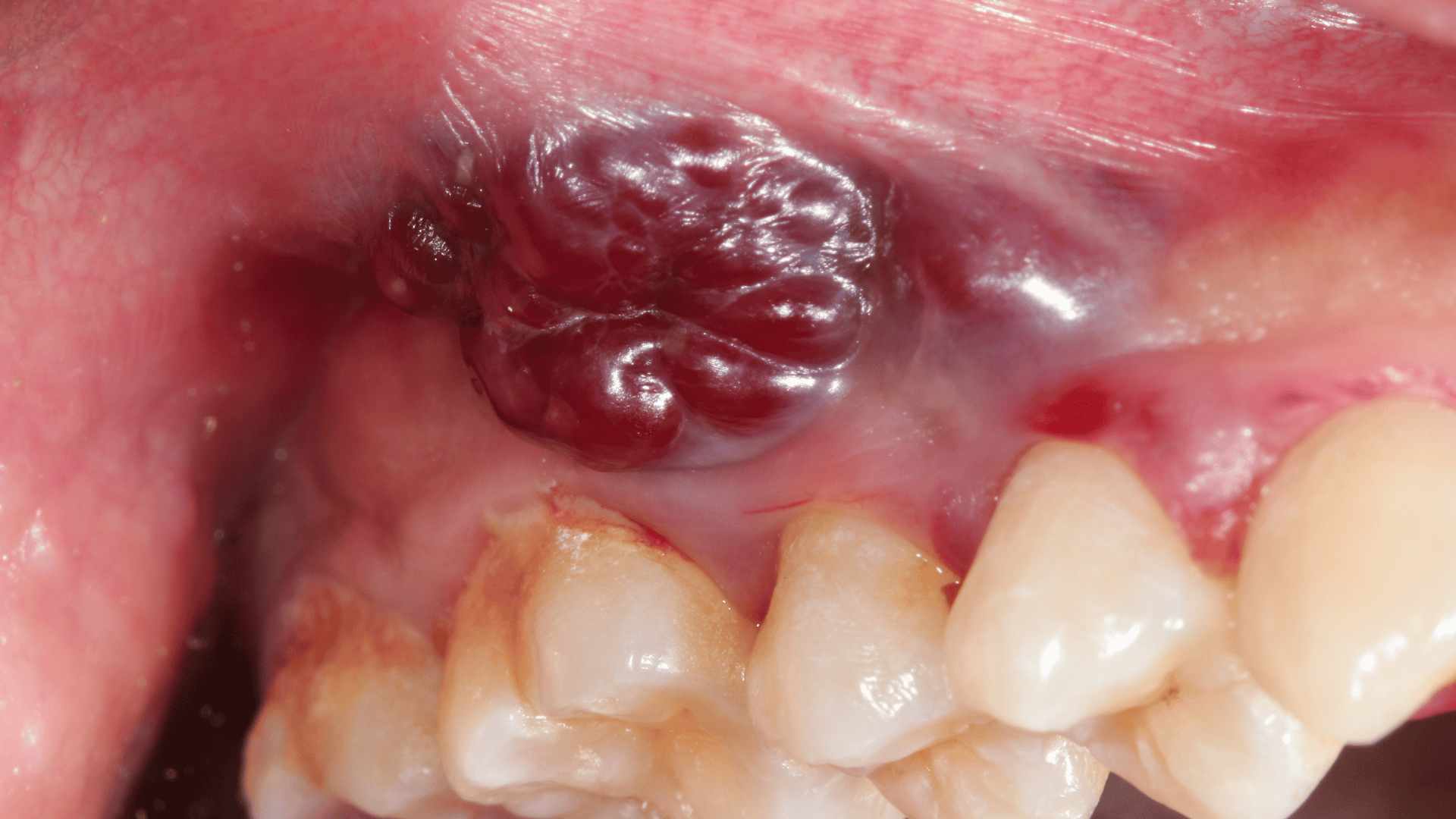
- Gum Swelling or Abscesses: A small, painful bump resembling a pimple on the gums near the aching tooth, which may discharge pus.
- Tooth Discoloration: A single tooth turning dark grey, yellow, or black, indicating that its internal nerve tissue has died.
- Pain When Chewing: Intolerable sharp pain whenever you apply pressure or bite down on food.
Single-Sitting vs. Multiple-Sitting RCT
Thanks to computer-controlled rotary instruments, we can complete most root canal treatments in a single appointment lasting 45 to 60 minutes.
Feature | Single-Sitting RCT | Multiple-Sitting RCT |
Clinical Indication | Acute pulpitis, fresh fractures, or localized infections without active swelling. | Severe chronic infections, large bone abscesses, or complex, highly curved root canals. |
Time Commitment | Done in 1 sitting (approx. 45–60 mins). Ideal for busy professionals. | Spread over 2 to 3 sittings spaced a few days apart. |
Mechanism | The tooth is cleaned, disinfected, and permanently sealed all in one visit. | An antibacterial medication (Calcium Hydroxide) is left inside the canals between visits to eliminate stubborn bacteria before the final seal. |
The Step-by-Step RCT Treatment Journey
We prioritize your absolute comfort. Here is what to expect during your root canal procedure at our Kolkata clinic:
1.Digital 3D Bone Mapping: We take a low-radiation digital IOPA X-ray to inspect the roots, count the number of canals, and check how far the infection has spread into the surrounding jawbone.
2.Pain-Free Local Anesthesia: We apply a numbing gel followed by localized anesthesia. You will feel zero sharp sensations. We also place a protective rubber sheet (rubber dam) over the tooth to keep it completely dry and clean from saliva.
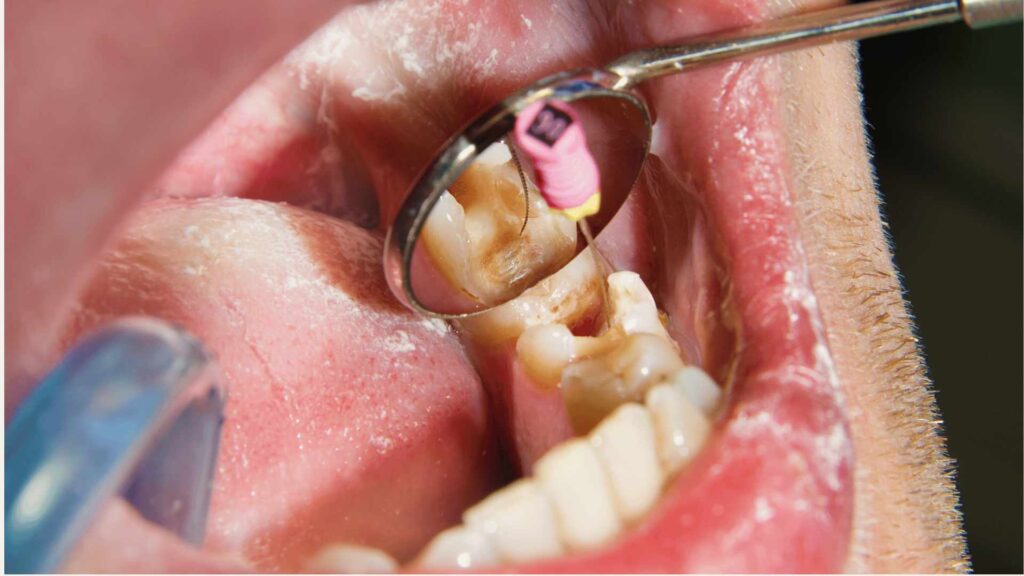
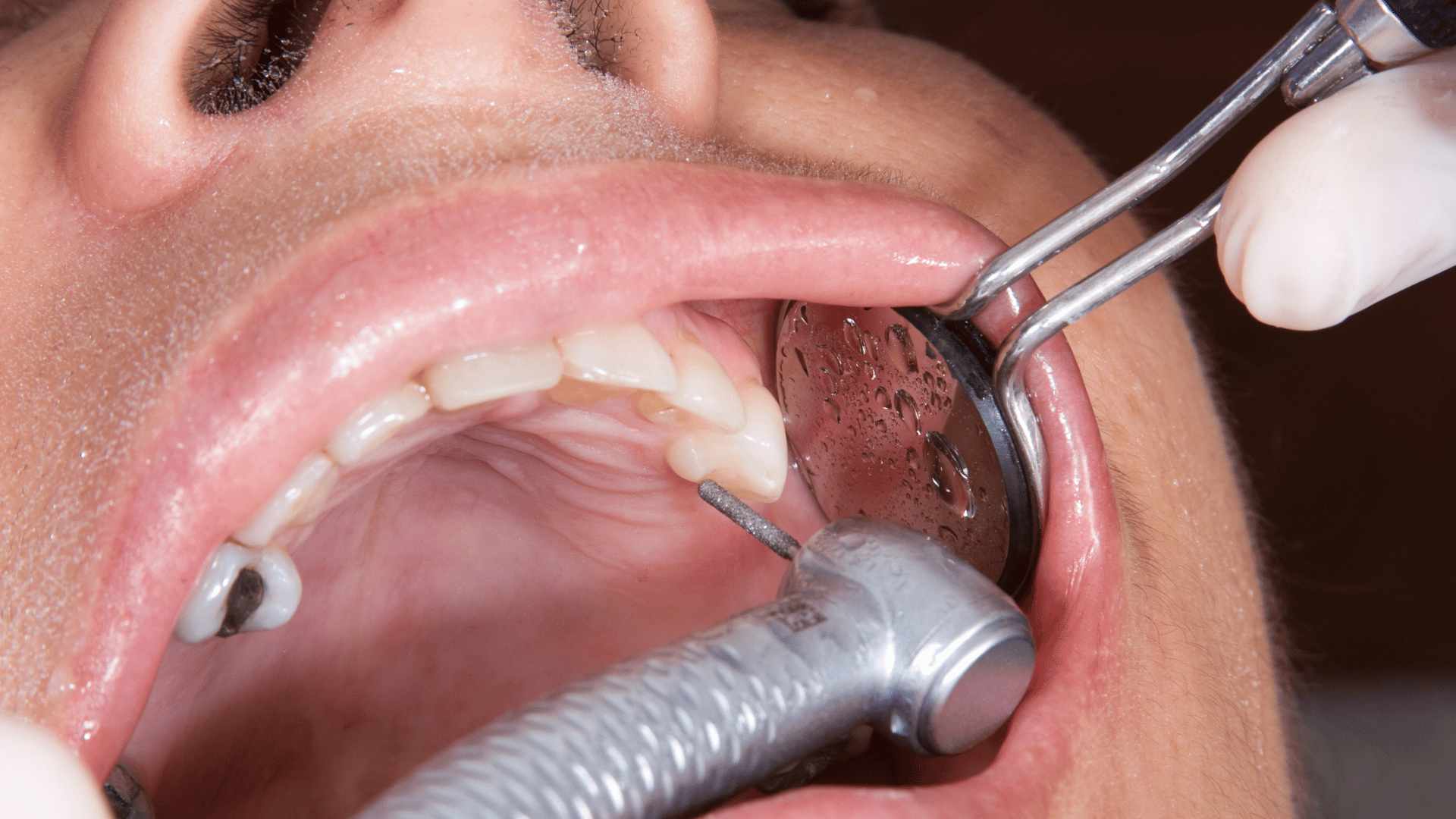
3.Rotary Cleaning & Disinfection: We make a tiny access opening in the top of the tooth. Using advanced, flexible Titanium Rotary Files, we gently sweep out the infected pulp tissue. The hollow canals are then thoroughly flushed with medical-grade disinfecting solutions.
4.Hermetic Gutta-Percha Filling: Once the canals are clean and dry, they are filled with a sterile, biocompatible material called Gutta-Percha. This completely seals the spaces to prevent any future bacterial leakage.
Why a Crown (Cap) is Essential After an RCT
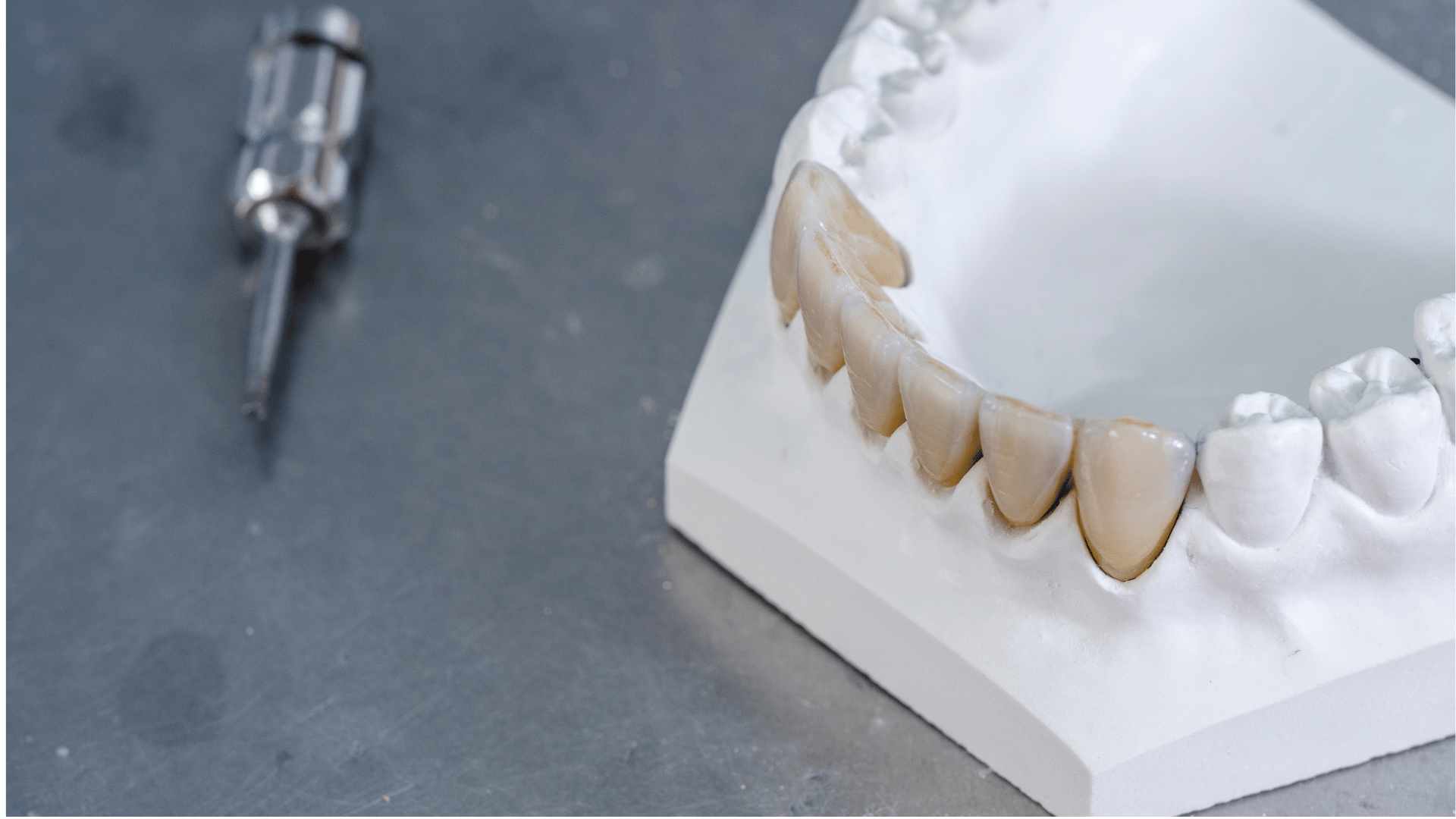
A root canal removes the blood vessels that keep your tooth alive, making it dry and brittle over time—much like a dead tree branch. Without proper protection, the force of daily chewing can easily crack or split the tooth.
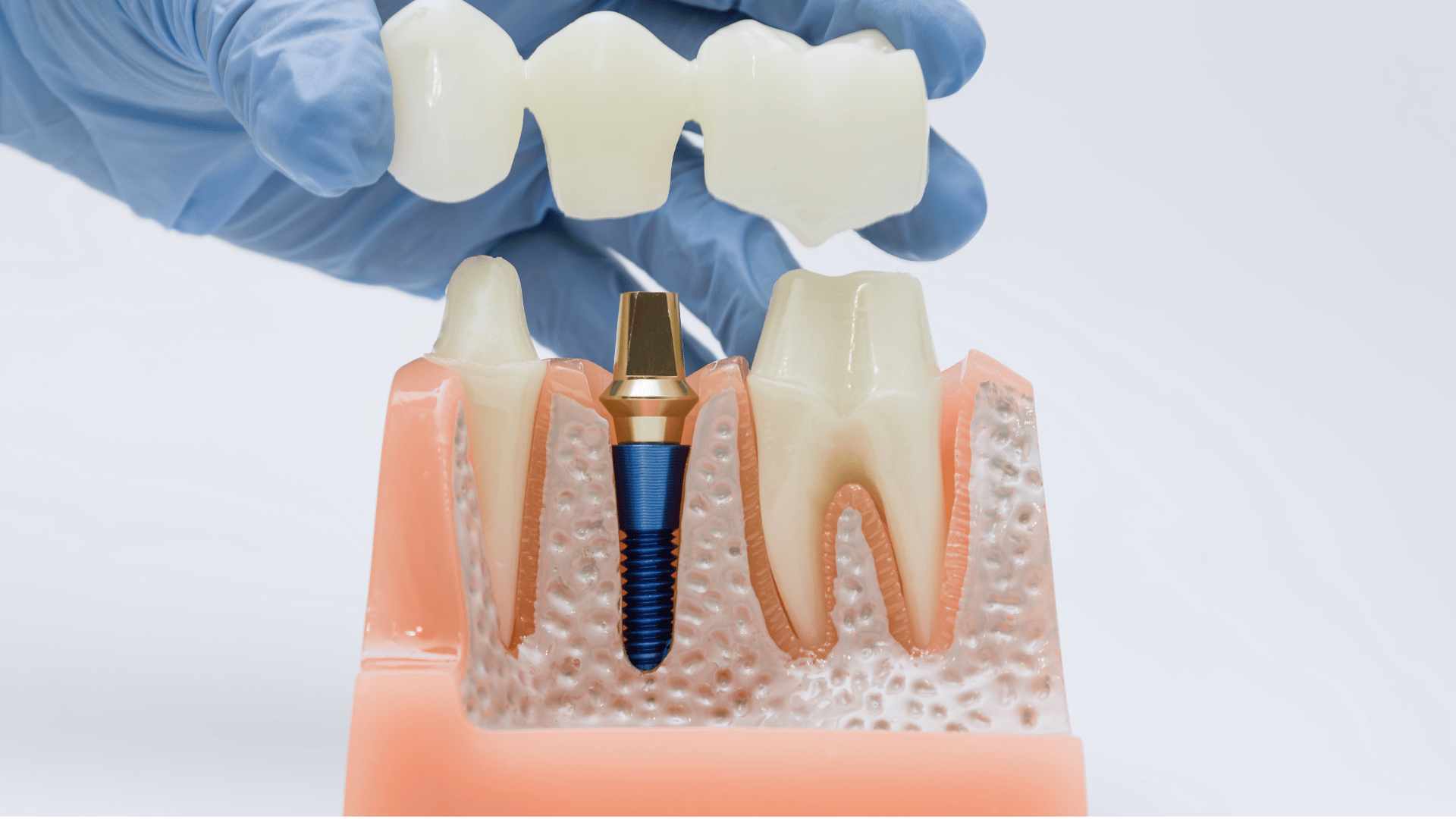
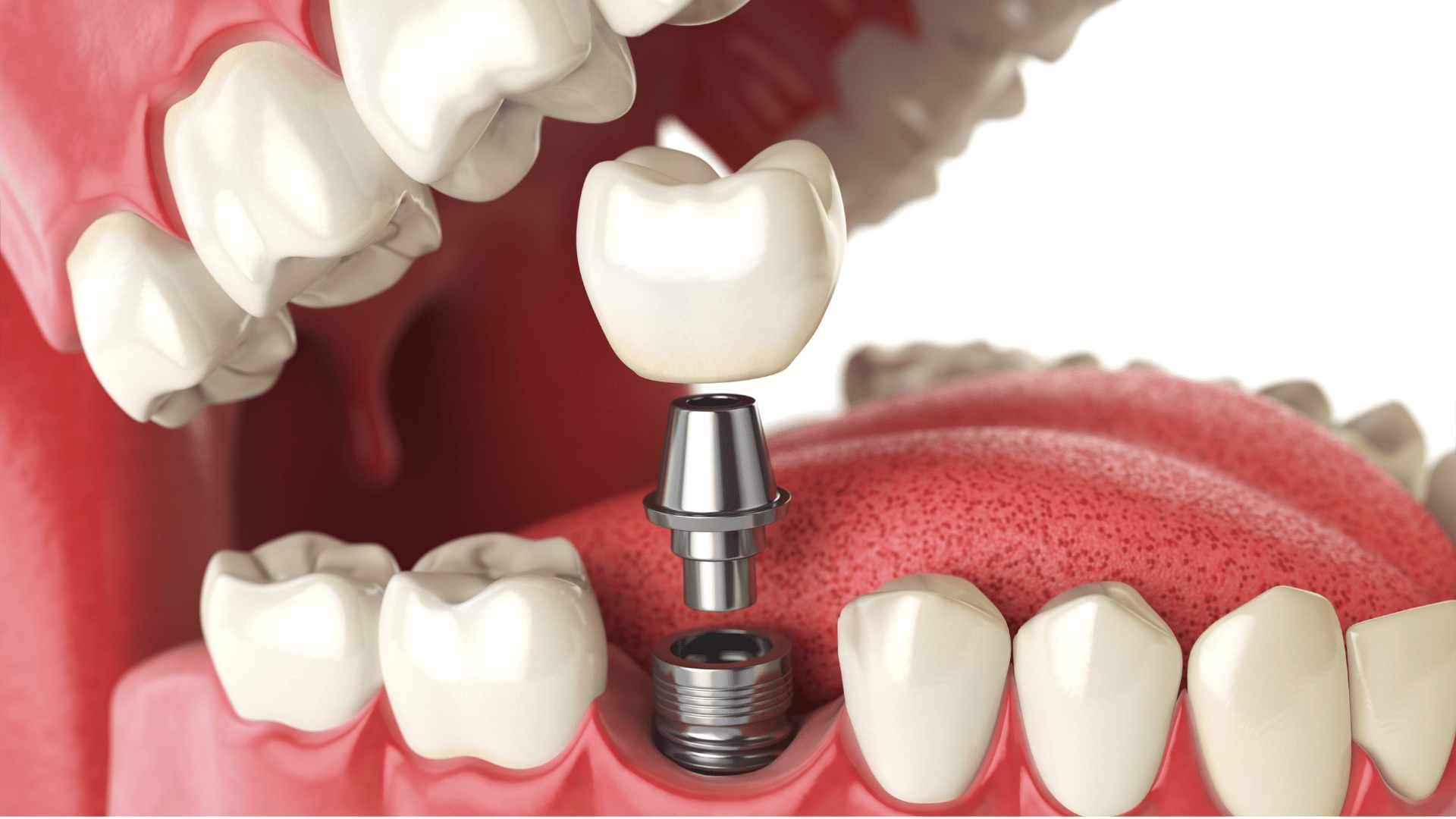
Placing a custom dental crown acts like a helmet, distributing chewing forces evenly and ensuring your treated tooth lasts for decades.
Why Kolkata Chooses The 32 Pearls Dental Clinic for Endodontic Care
- MDS Endodontist Specialists: At our chamber, root canals are not performed by general practitioners. They are handled by dedicated Endodontists (specialists who have completed three additional years of master’s training focused exclusively on root canals).
- Advanced Rotary Tech: We use computer-assisted rotary motors and apex locators, making the treatment much faster and more accurate than traditional manual hand-filing techniques.
- Transparent Financial Estimates: We provide an upfront, itemized treatment plan right after your first digital X-ray—ensuring there are no hidden surprises on your final bill.