Discovering that a tooth you previously treated with a Root Canal Treatment (RCT) has become reinfected can be frustrating. You might assume your only choice left is to pull the tooth out and get an expensive dental implant. However, modern endodontic micro-surgery offers a highly effective alternative to preserve your natural smile: Apicoectomy.
At The 32 Pearls Dental Clinic, we perform specialized, microscopic apicoectomies right here in Kolkata. When hidden anatomical complexities or stubborn bacteria at the very tip of the root bypass a standard or retreatment root canal, our senior endodontists and oral surgeons use this targeted micro-procedure to remove the infection directly at its source, permanently saving your natural tooth.
What is an Apicoectomy?
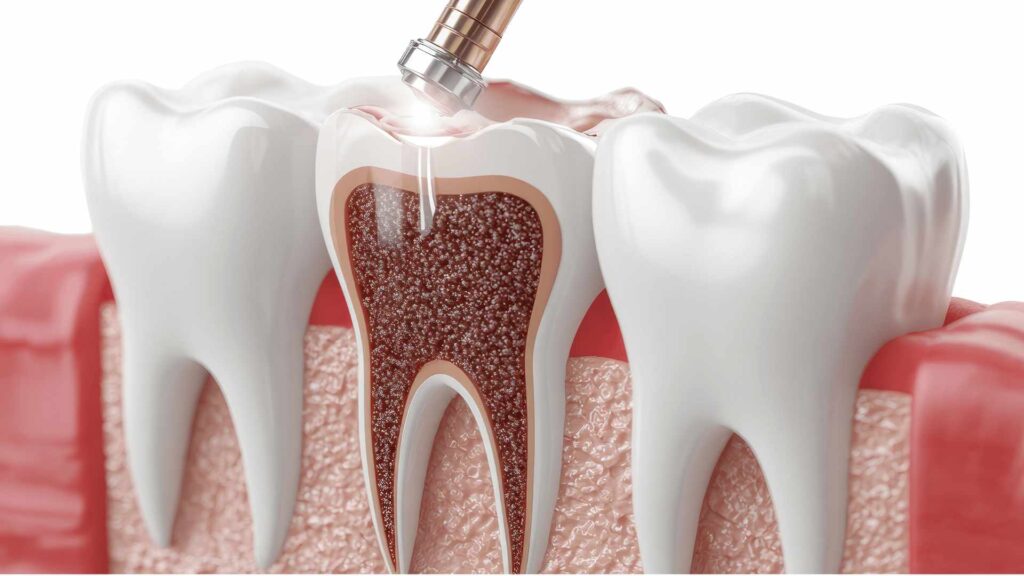
While a standard root canal cleans the infected pathways from the top of the tooth down, an apicoectomy approaches the problem from the bottom. The word combines “apex” (the very tip of the tooth root) and “ectomy” (surgical removal).
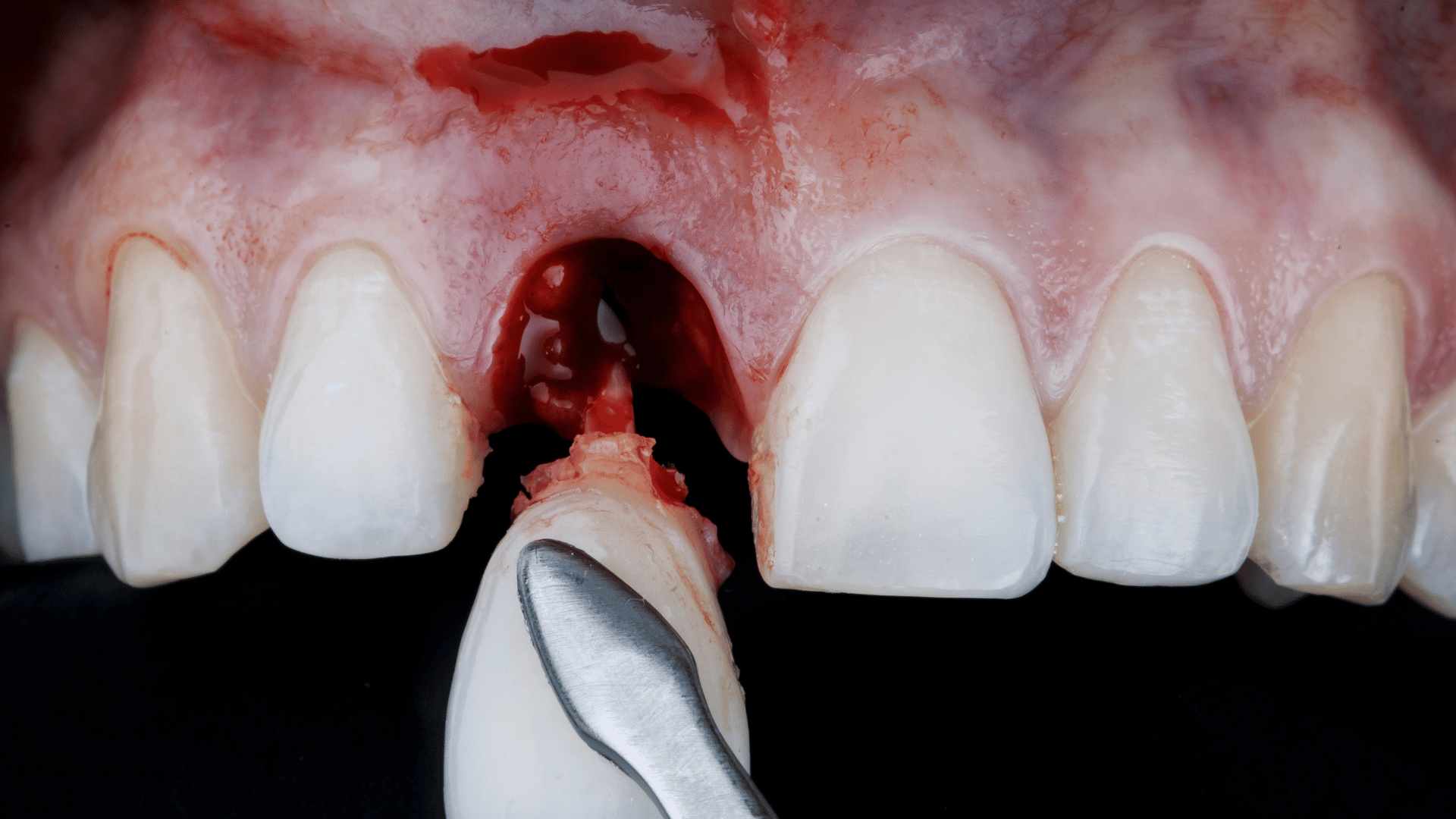
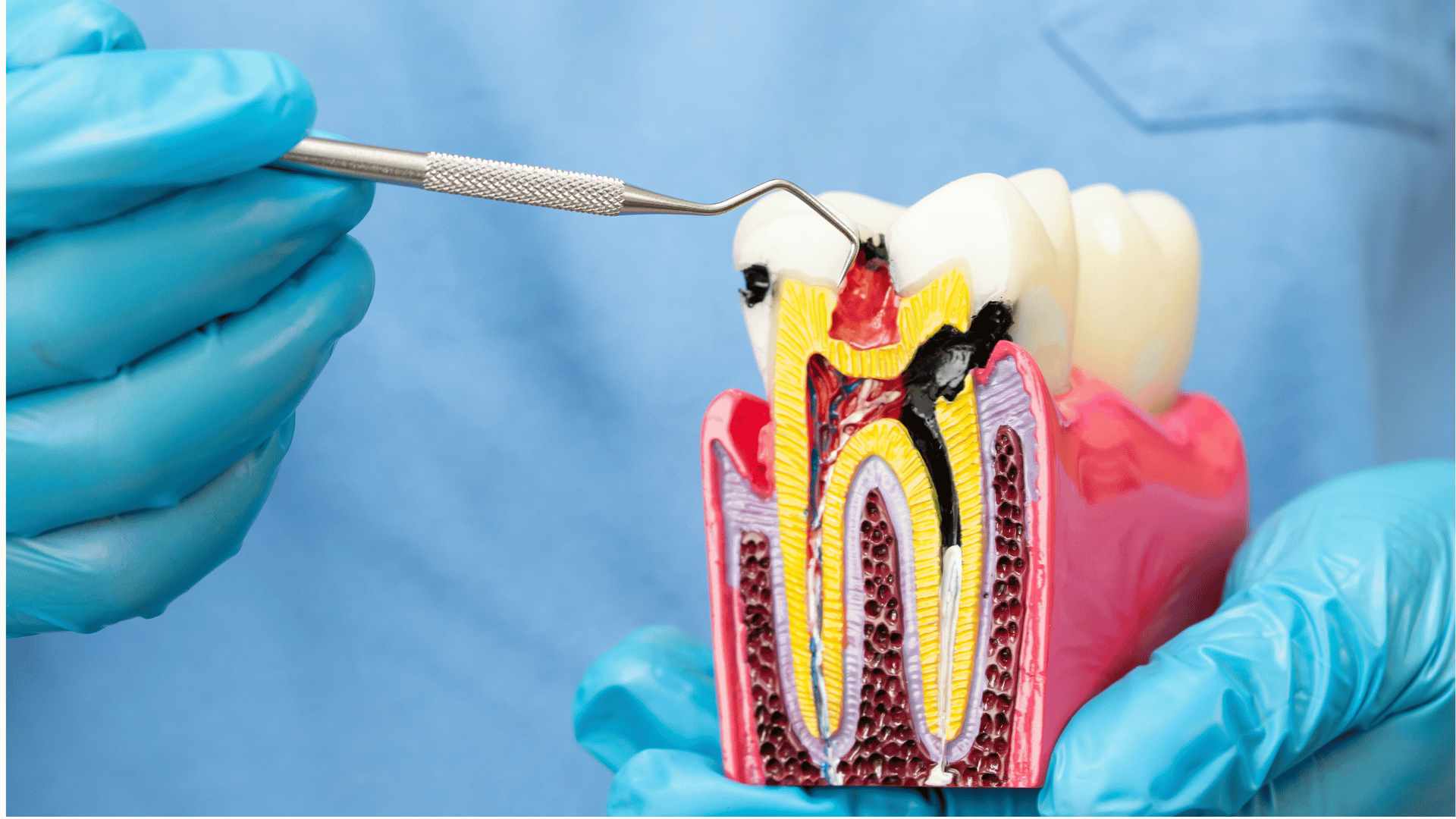
During the procedure, our specialist opens the gum tissue near the tooth, gently removes the infected root tip along with any surrounding chronically inflamed or cystic tissue, and places a micro-sealant plug. This completely blocks the root canal pathway from the bottom, preventing bacteria from ever leaking back into your jawbone.
When is an Apicoectomy Necessary?
An apicoectomy is highly recommended when a conventional root canal cannot properly clean or seal the root tip. Common clinical scenarios include:
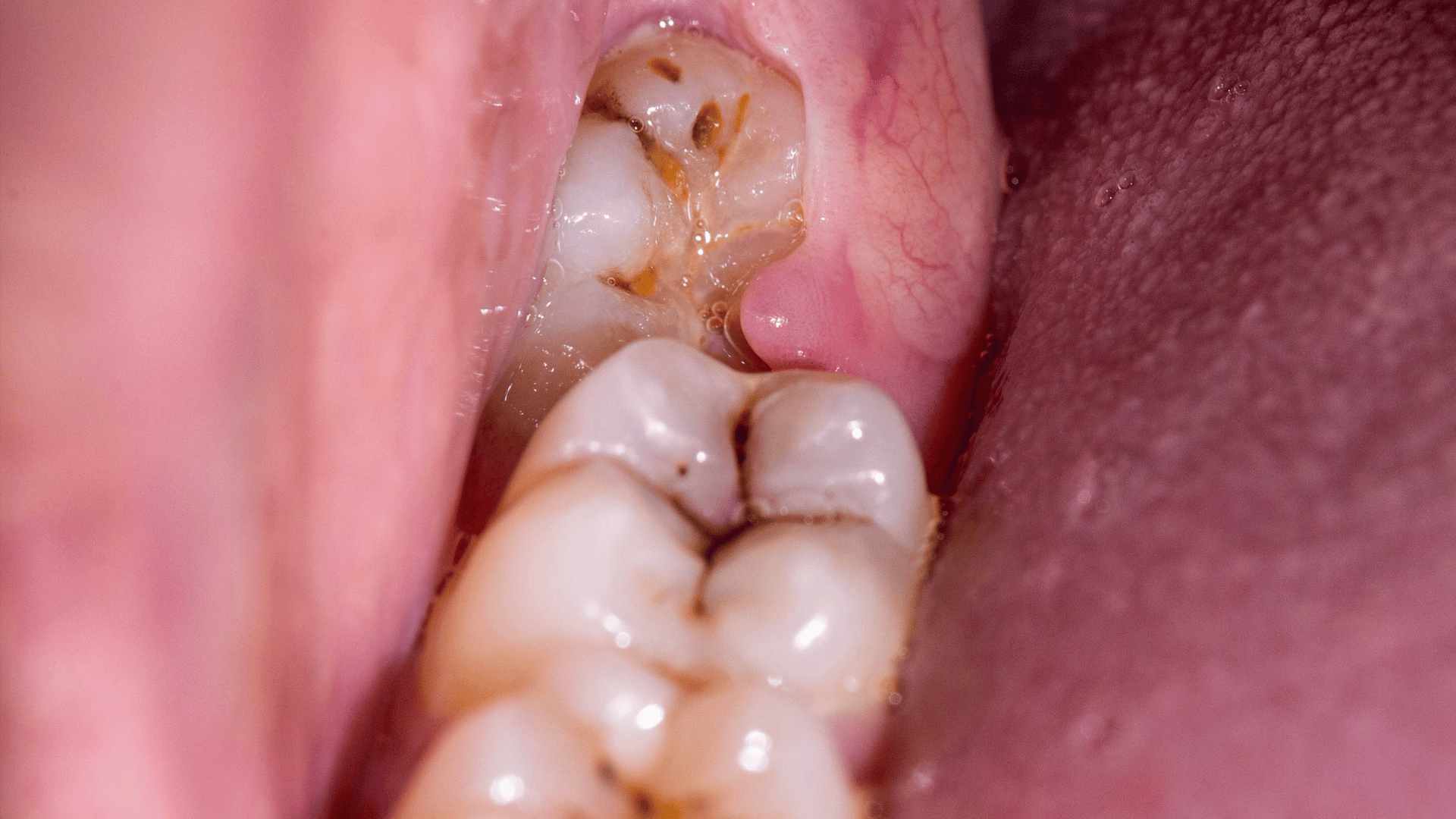
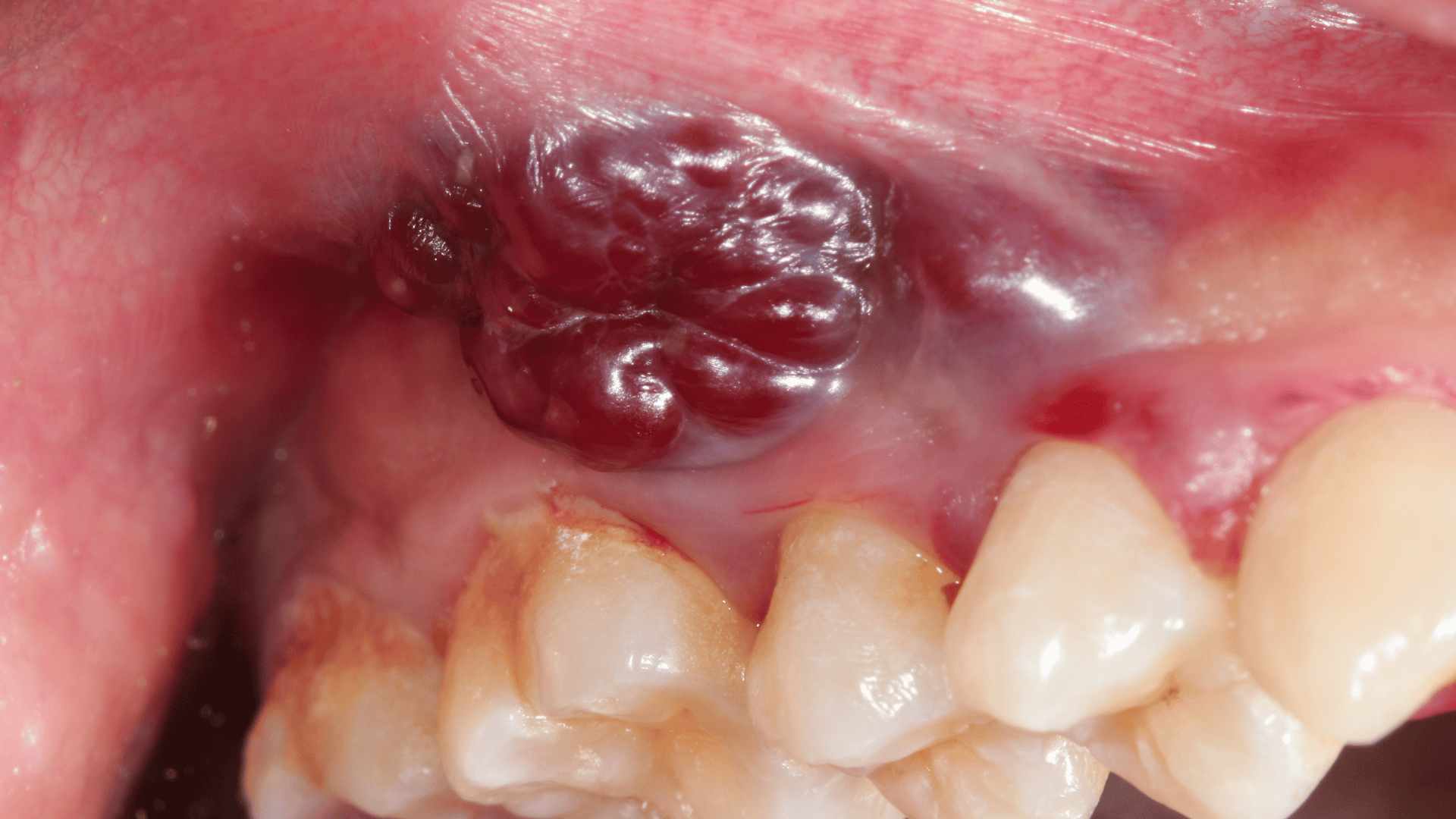
- Stubborn Bone Infections: Persistent periapical lesions or cysts that continue to grow at the root tip despite a perfectly executed root canal or retreatment.
- Complex Root Anatomy: Severely curved, branched, or calcified root canals that a dentist’s microscopic files physically cannot navigate from the top down.
- Fractured Root Tips: A small fracture or crack limited only to the very tip of the root, which can be cleanly removed to preserve the rest of the healthy tooth.
- Irremovable Obstructions: Teeth reinforced with heavy-duty custom metal posts or premium zirconia crowns. Removing these structures to perform a standard re-RCT risks fracturing the entire tooth; an apicoectomy leaves them completely untouched.
The Apicoectomy Procedure: Step-by-Step
An apicoectomy is a highly refined, routine outpatient microsurgery. Here is how our specialized team guides you through the process:
1.3D High-Definition Imaging: We take precise digital IOPA X-rays or a 3D dental CBCT scan to map the exact depth of the bone infection and measure the length of the root tip relative to adjacent nerves.
2.Targeted Micro-Anesthesia: The area is profoundly numbed using local anesthesia. You will feel zero sharp sensations or pain during the surgery—the sensation is comparable to getting a routine dental filling.
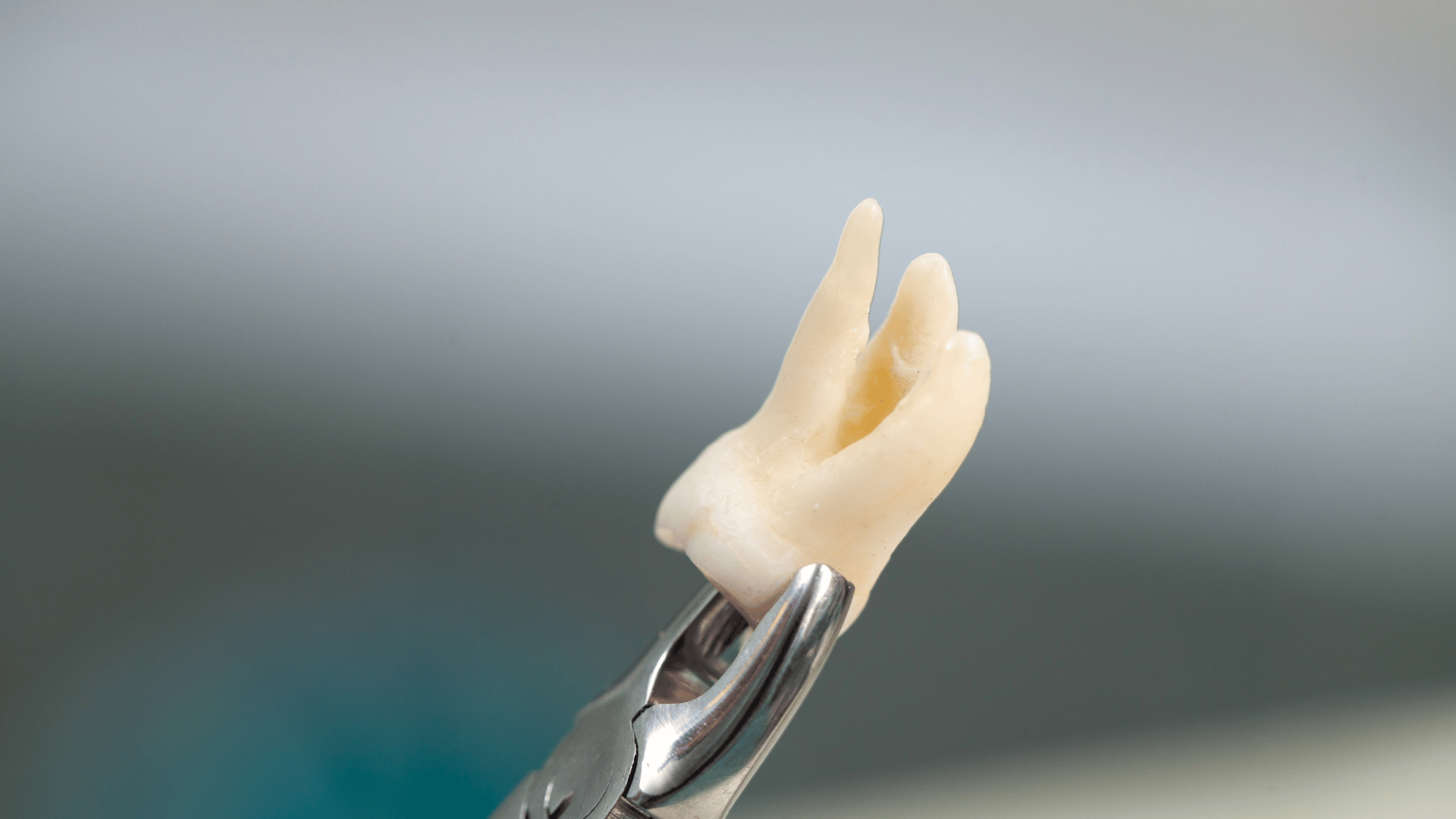
3.Root-Tip Removal & Cleaning: A tiny incision is made in the gum tissue to access the underlying bone. Our specialist carefully trims away the infected top 3 millimeters of the root tip (the apex) and thoroughly cleans out the chronic bone infection.
4.Retrograde Filling & Suturing: The Reverse Seal.We prepare a tiny cavity at the newly cut end of the root and seal it with a bio-compatible material like MTA (Mineral Trioxide Aggregate) or Biodentine. The gum is gently closed using hair-thin, comfortable micro-sutures.
Smooth Healing: Post-Operative Care Rules
Because an apicoectomy is a microsurgery on the gum and bone, following these simple instructions for the first 5 to 7 days ensures fast, uneventful healing:
- Manage Swelling Naturally: Minor swelling or bruising around the cheek or lip is standard for the first 48 hours. Applying an ice pack to the outside of your face for 10 minutes on and 10 minutes off will significantly minimize it.
- Modify Your Diet: Stick to soft, cold, or room-temperature foods (such as khichdi, yogurt, curd rice, cold soups, and smoothies). Avoid hot drinks like tea or coffee, and bypass spicy or highly crunchy foods that can snag the stitches.
- Brushing Adjustments: Do not brush or floss directly over the surgical site for the first week. Keep the rest of your mouth completely clean by brushing normally, and gently rinse with a prescribed antiseptic mouthwash after meals.
- Do NOT Pull Your Lip: Avoid lifting your lip or pulling your cheek to look at the stitches. This creates tension that can pull the healing gum edges apart.
Why Kolkata Trusts The 32 Pearls Dental Clinic for Endodontic Surgery
- MDS Super-Specialist Team: At our chamber, apicoectomies are never left to general practitioners. They are performed exclusively by senior, MDS-qualified Endodontists and Oral Maxillofacial Surgeons with specialized training in micro-endodontic surgeries.
- Microscopic Precision: We use high-magnification dental loupes and microscopic visualization, ensuring that micro-fractures are spotted instantly and root endings are sealed with absolute precision.
- No Hidden Charges: We provide a comprehensive, itemized financial estimate immediately following your initial 3D mapping consultation—ensuring zero unexpected surprises on your final bill.