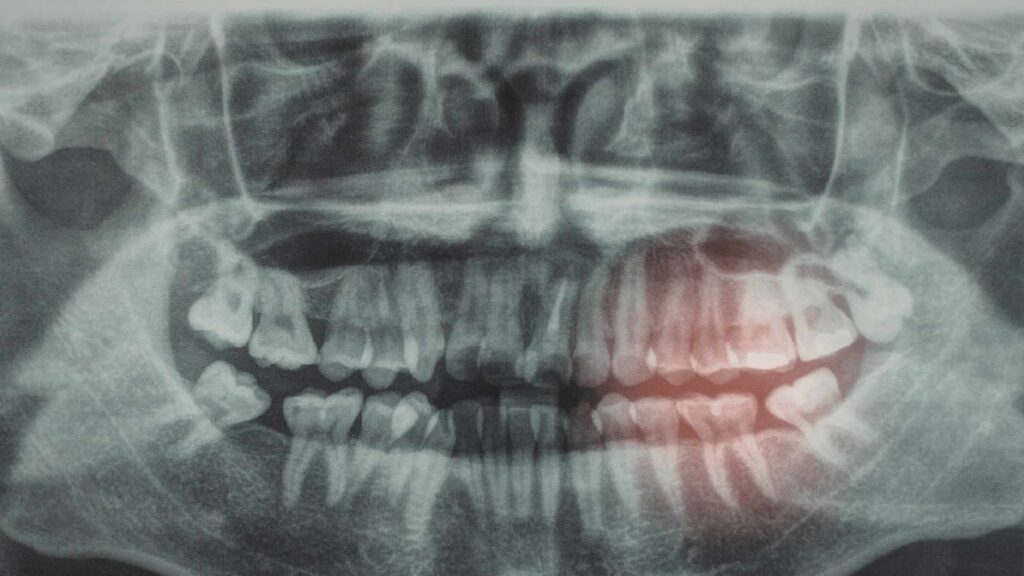
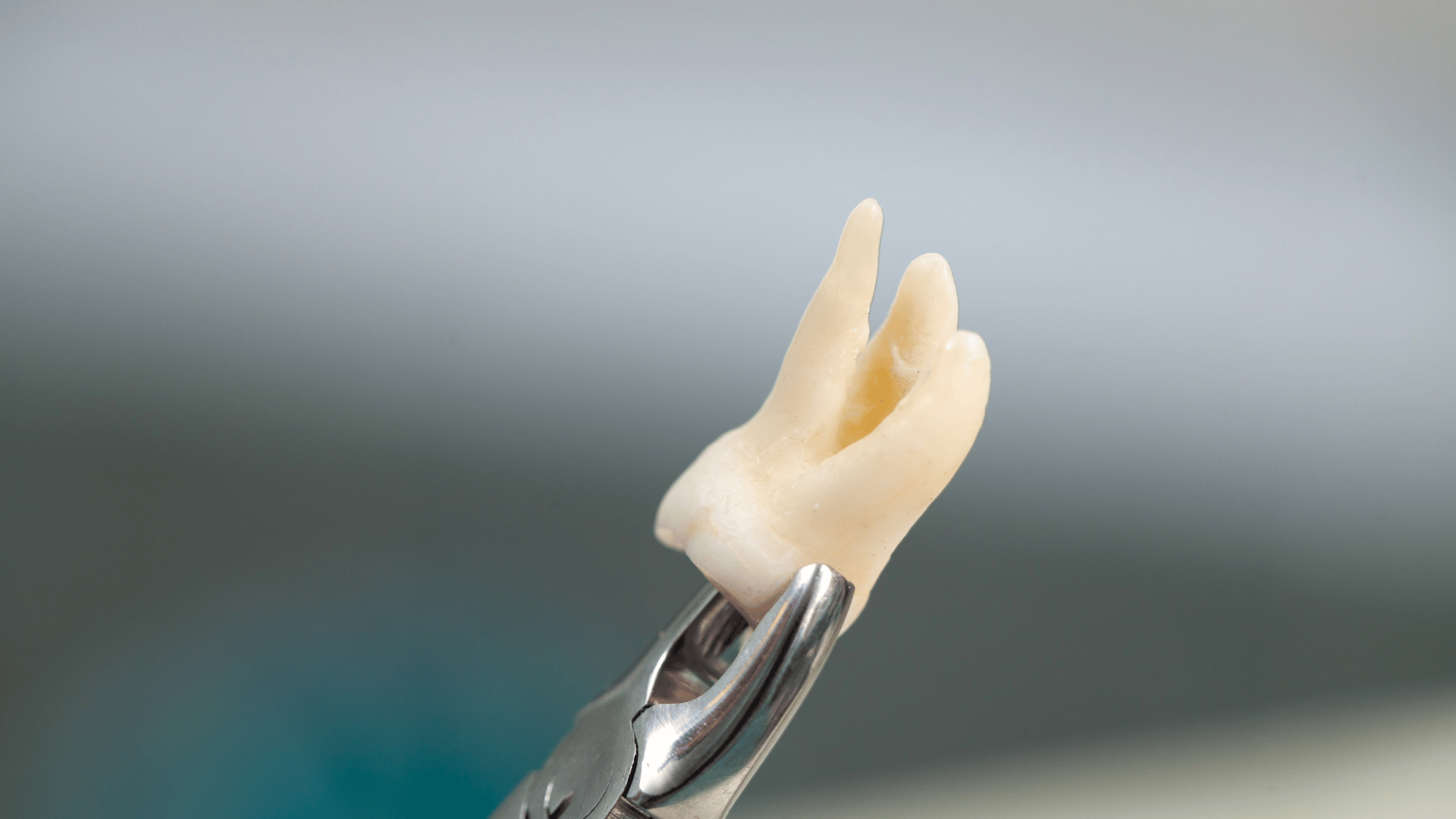
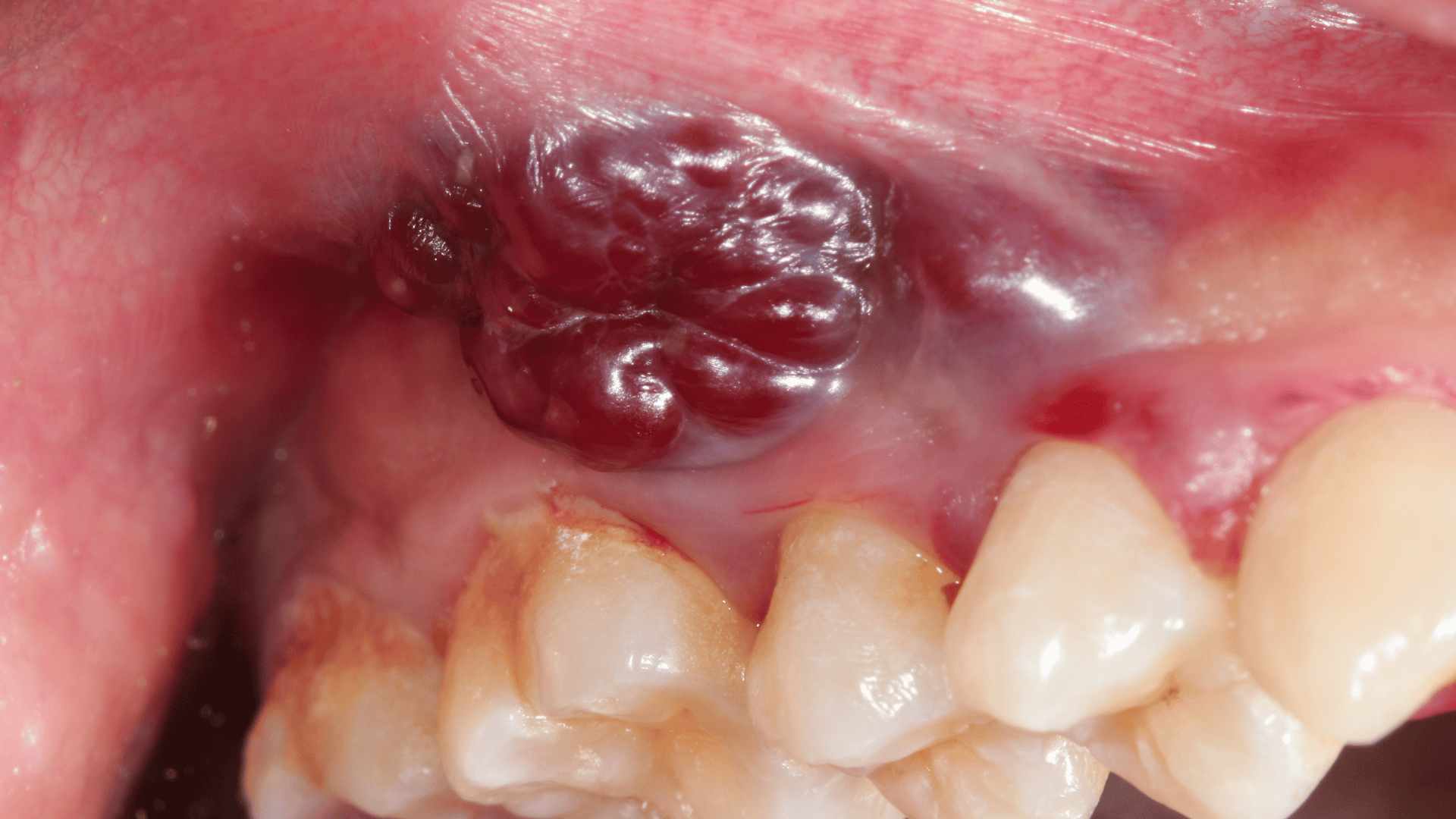
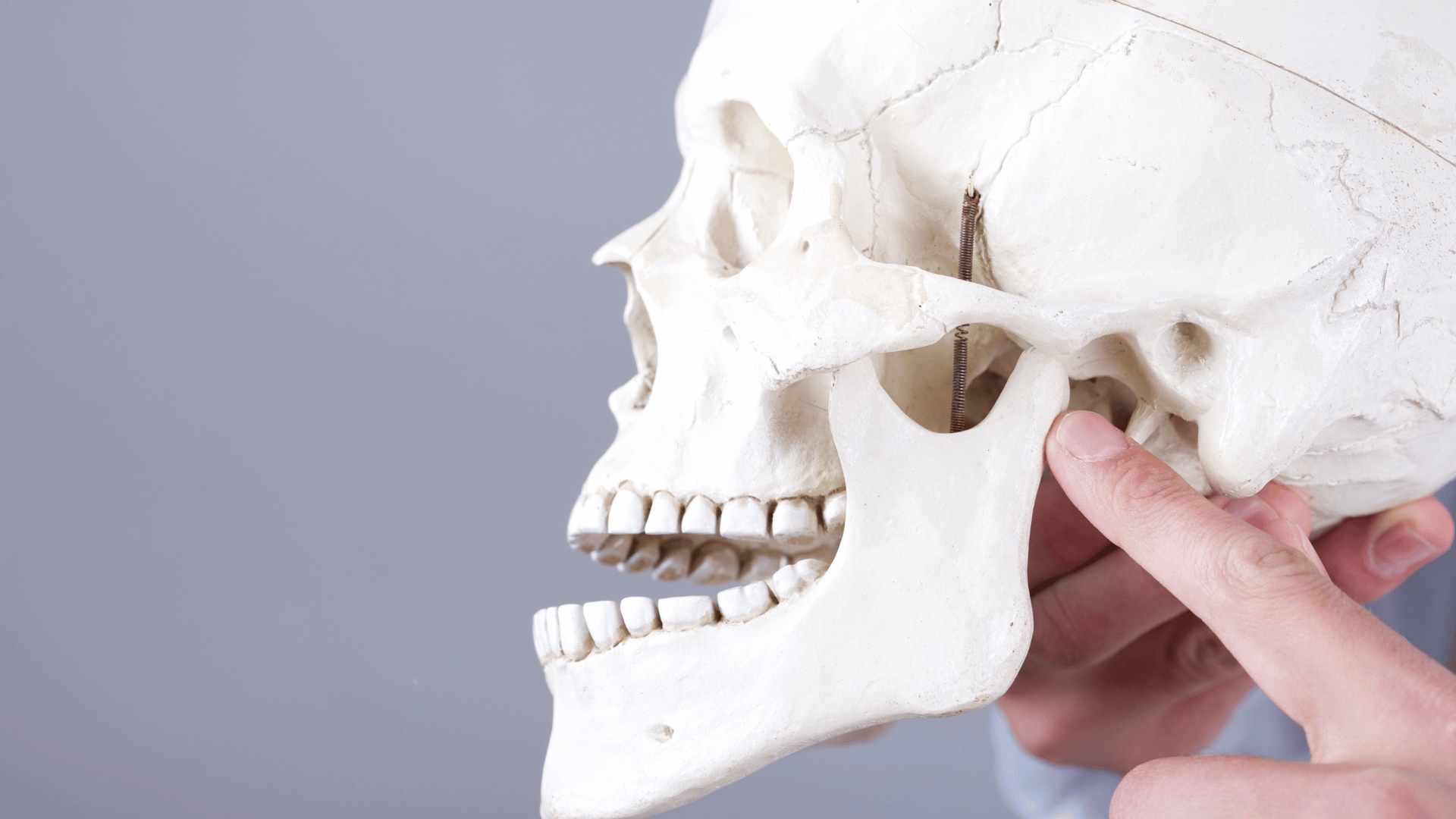
The third molars—commonly known as wisdom teeth—are the last set of teeth to emerge, usually between the ages of 17 and 25. For many individuals, there simply isn’t enough room in the jaw for these teeth to erupt normally. When a wisdom tooth becomes trapped beneath the gums or bone, it is considered impacted.
Left untreated, an impacted 3rd molar can cause severe jaw pain, chronic infections, damage to neighboring teeth, and even cysts. At The 32 Pearls Dental Clinic, we specialize in the safe, micro-precise, and completely painless surgical removal of impacted wisdom teeth using cutting-edge dental technology in a relaxed, patient-centric environment.
Types of 3rd Molar Impactions We Treat
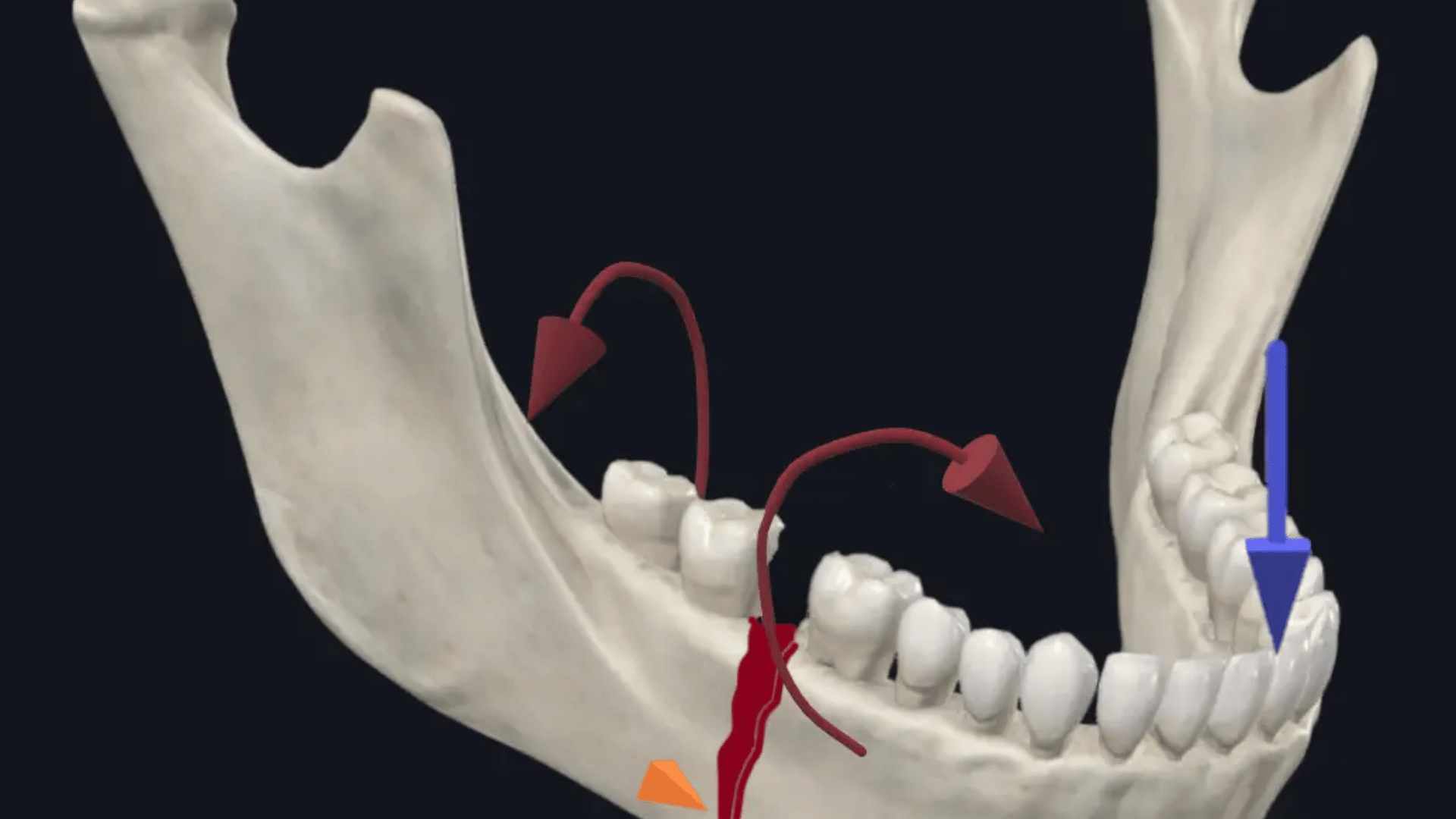
Not all wisdom teeth are impacted the same way. The position of your tooth dictates the surgical approach. Our specialists handle all classifications of impactions:
- Mesial Impaction (Most Common): The wisdom tooth grows at an angle, tilting forward directly into the second molar.
- Vertical Impaction: The tooth is oriented straight up and down but remains entirely trapped beneath the jawbone.
- Horizontal Impaction: The tooth grows sideways at a sharp 90-degree angle, completely embedded parallel to the jawbone line. This requires highly specialized sectioning.
- Distal Impaction: The tooth tilts backward toward the rear of the mouth, making structural access highly complex.
Warning Signs: When to Visit Our Kolkata Chamber
If you are experiencing any of the following symptoms, your third molar may be impacted and requiring immediate attention:
- Intense, radiating pain at the very back of your jaw.
- Swollen, red, or bleeding gums around the rear molars (a condition called pericoronitis).
- Difficulty opening your mouth fully (trismus) or pain while chewing.
- Persistent bad breath or an unpleasant taste caused by food trapping behind the hidden tooth.
- Chronic headaches or earaches tracking down the side of your face.
Our Painless Surgical Protocol
We remove the fear from wisdom tooth extractions by mapping out our precise clinical procedure step-by-step:
1.3D Digital Mapping: We capture high-resolution digital X-rays (RVG) or a CBCT (3D dental scan) to view the exact depth of the impaction and its spatial distance from your primary facial nerve (Inferior Alveolar Nerve).
2.Deep Local Anesthesia: We utilize premium local anesthetics to completely block all pain signals. The target area will feel profoundly numb. You will feel zero sharp sensations—only occasional mild pressure.
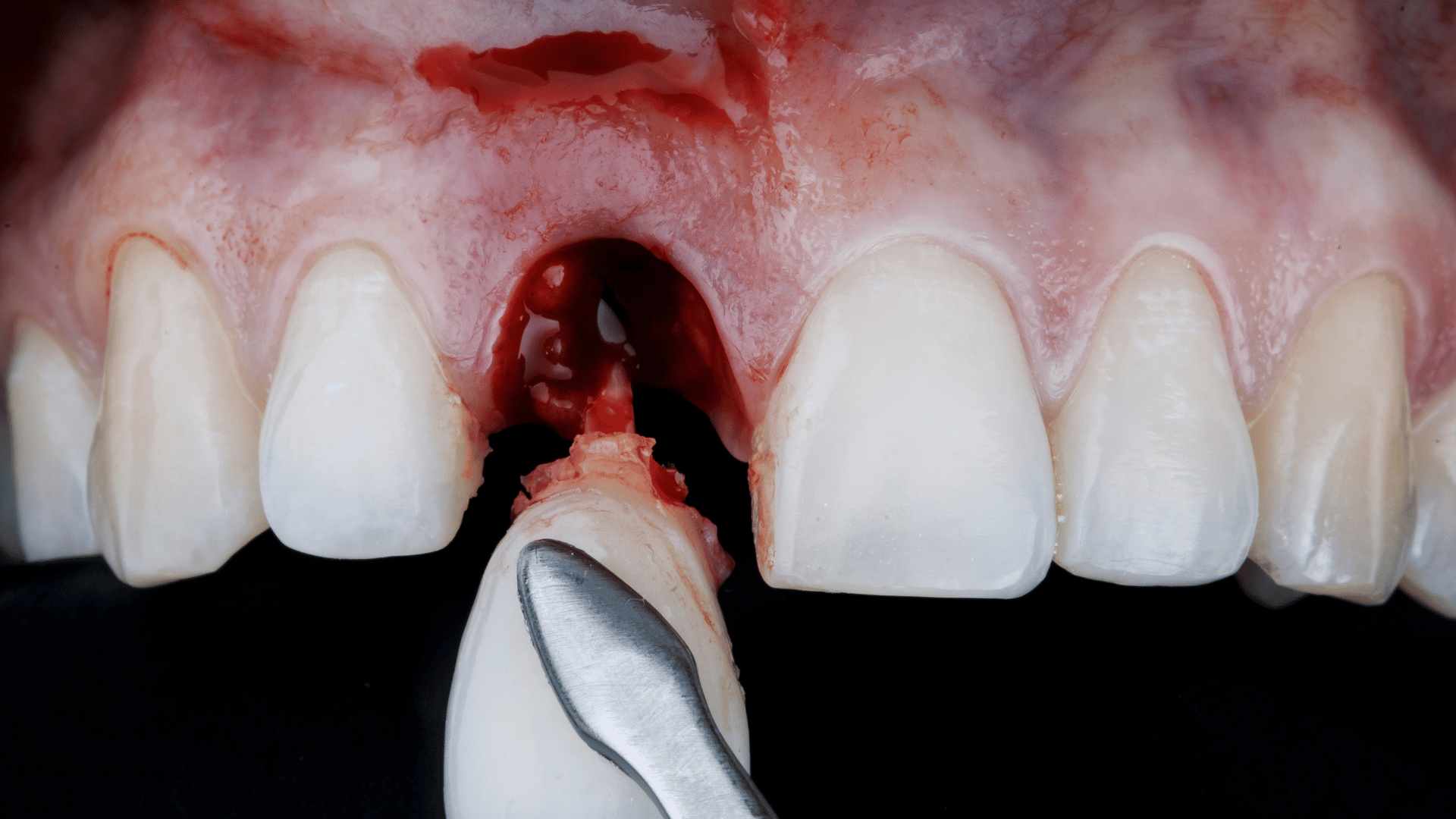
3.Micro-Incision & Tooth Sectioning: Our Maxillofacial Surgeon creates a tiny, controlled opening in the gum. To protect the surrounding bone, the sideways or trapped tooth is systematically divided into smaller pieces and lifted out smoothly.
4.Sterile Flusher & Suturing: The empty socket is thoroughly irrigated with sterile saline to eliminate any bacteria or debris. We close the gum precisely using advanced self-dissolving stitches that aid rapid tissue recovery.
Recovery and Post-Op Aftercare
Your healing depends entirely on how you protect the surgical site during the critical first week.
| Phase | What to Do | What to Avoid |
| First 24 Hours | Keep steady pressure on the sterile gauze for 60 minutes. Apply an ice pack to your outer cheek to minimize swelling. Stick to ice cream, cold yogurt, or chilled mango smoothies. | Do NOT spit, smoke, or use a straw. The suction pressure will dislodge the critical healing blood clot, causing a highly painful Dry Socket. |
| Days 2 to 3 | Take your prescribed painkillers and antibiotics on a strict schedule. After 24 hours, introduce very gentle lukewarm saltwater rinses after eating. Transition to soft foods like khichdi, curd-rice, or mashed potatoes. | Avoid hot tea, coffee, spicy street foods, and crunchy snacks like chips that can lodge in the extraction socket. |
| Days 4 to 7 | Minor jaw stiffness and facial swelling will gradually disappear. You can carefully resume standard brushing, making sure to avoid the healing surgical site. | Avoid heavy lifting, gym workouts, or intense physical exertion, as elevated blood pressure can trigger secondary bleeding. |
Why Kolkata Chooses Us for Wisdom Tooth Surgery
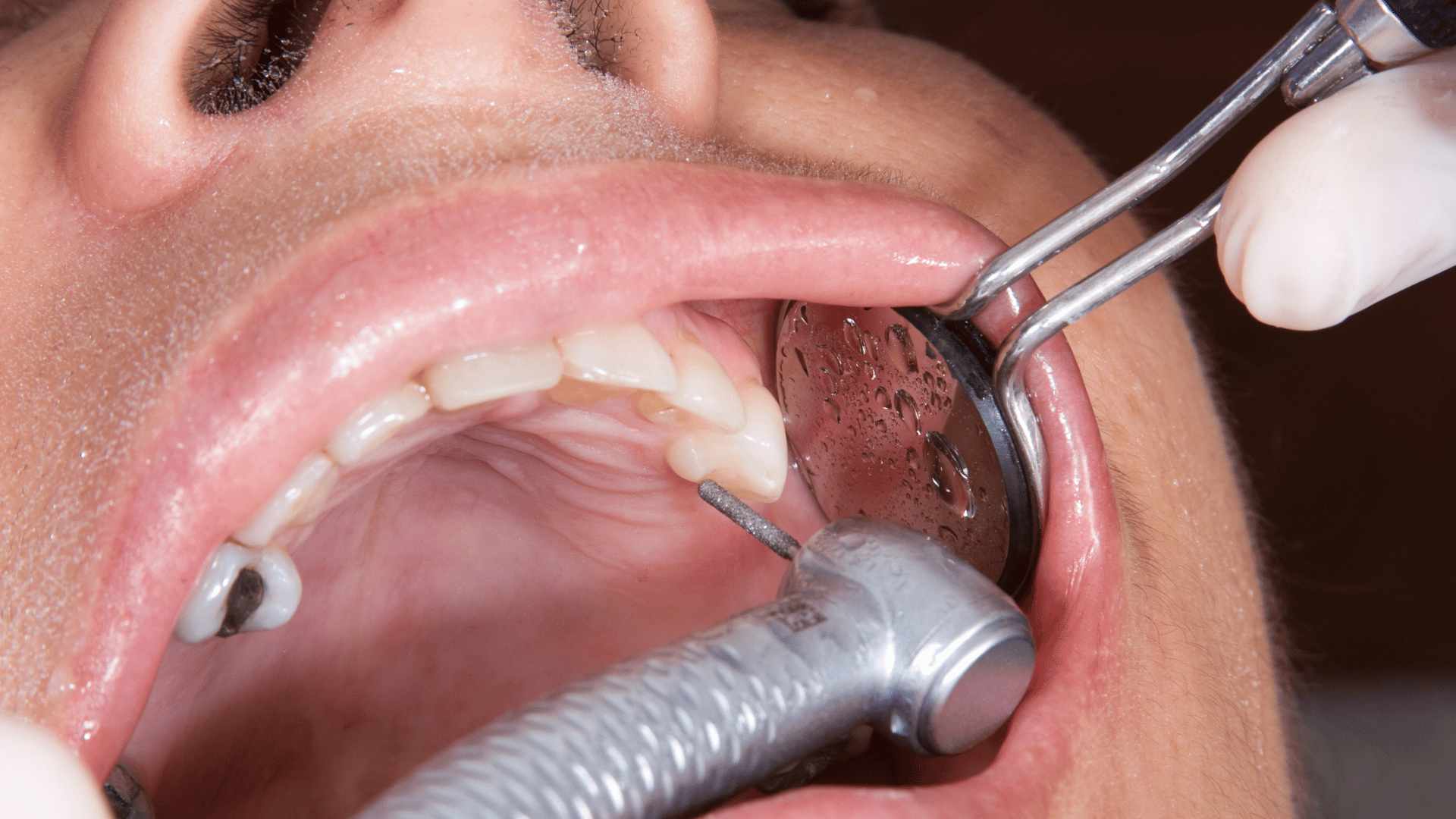
Exclusively Handled by Maxillofacial Surgeons: We do not allow general dentists to perform complex impaction surgeries. At our clinic, all 3rd molar removals are executed by highly qualified Oral & Maxillofacial Surgeons from Kolkata’s premier medical institutions.
- Advanced Atraumatic Techniques: We use specialized micro-surgical instruments that section teeth with minimal bone removal. This significantly reduces post-operative swelling and cuts down your overall healing time.
- 100% Sterile Environment: Our chamber adheres strictly to international sterilization standards, using Class-B autoclaving to guarantee zero cross-infection risks.
- Upfront, Transparent Costs: Wisdom tooth surgery costs in Kolkata vary based on whether the impaction is in the gum or deeply embedded in the bone. We provide a definitive, binding cost estimation right after reviewing your X-ray—no surprise fees.