

Teeth Scaling and Polishing
Home / Teeth Scaling and Polishing
Non-Surgical, High-Precision Care for Stable Jaw Fractures
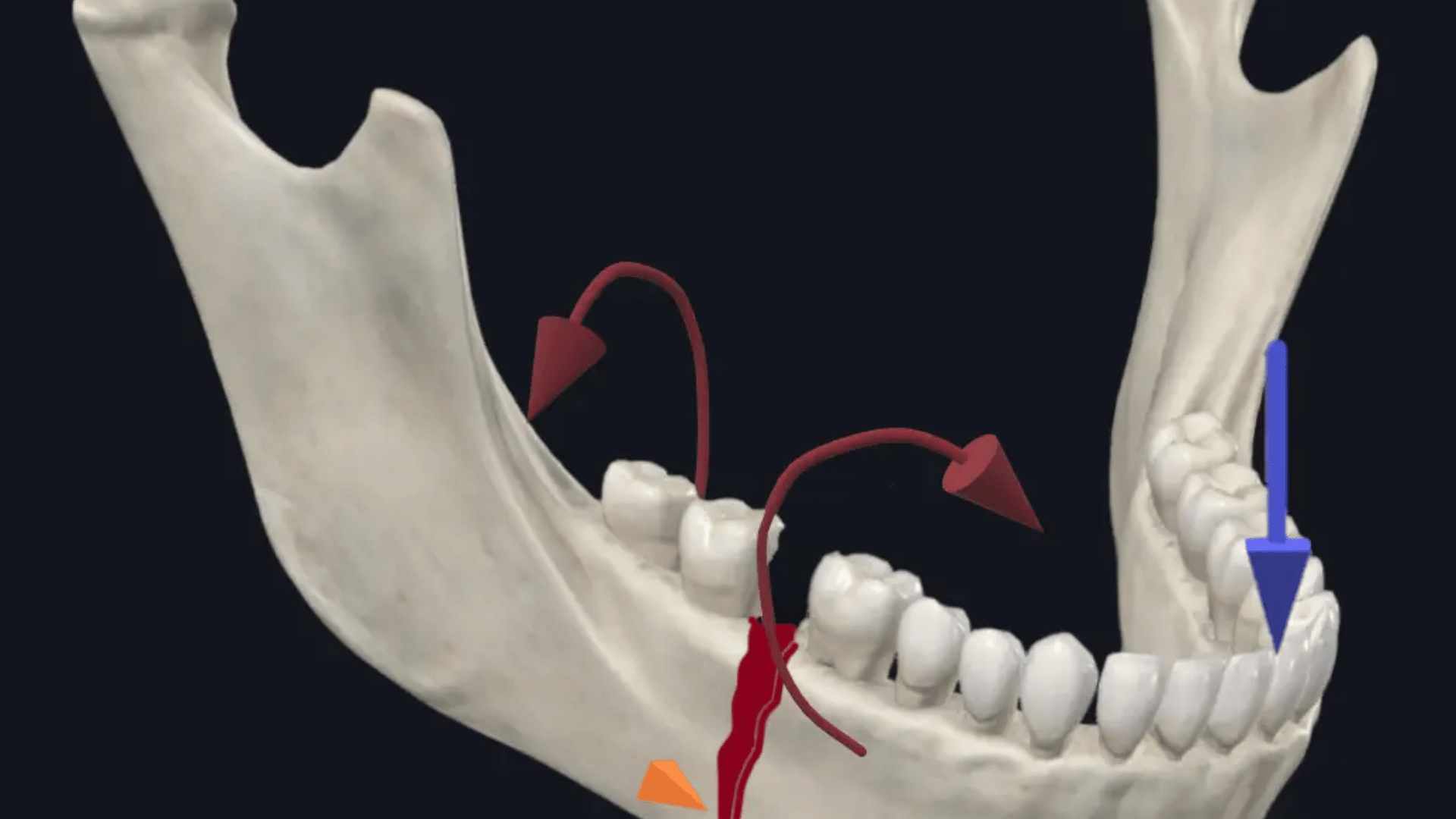
Sustaining a facial injury from a road accident, a sports collision, or an accidental fall is deeply distressing. However, if you or a loved one has been diagnosed with an undisplaced jaw fracture (also known as a non-displaced mandible or maxilla fracture), there is highly reassuring news: your bone has cracked, but the broken ends remain perfectly aligned in their original, natural position.
Because the fragments have not shifted out of place, most undisplaced jaw fractures do not require invasive open surgery with metal plates, screws, or skin incisions. Instead, they can be successfully treated using advanced conservative management.
At The 32 Pearls Dental Clinic, our dedicated Maxillofacial team provides expert, precise, and supportive closed-stabilization therapies right here in Kolkata, ensuring optimal bone healing without major surgical trauma.
Warning Signs: Symptoms of a Stable Jaw Fracture
Even when the bones haven’t shifted out of alignment, a cracked jawbone requires immediate medical stabilization to heal properly. You may have an undisplaced fracture if you experience any of these symptoms following a facial impact:
- Mild to moderate pain or a dull ache along your jawline or just beneath the ear, which sharpens instantly when you try to speak, swallow, or yawn.
- Localized facial swelling, bruising, or a sudden feeling of structural stiffness along your lower jaw.
- Minor changes or a feeling of “unevenness” in how your upper and lower teeth meet when you bite down (though your bite remains mostly functional).
- Gingival bleeding (bleeding from the gums) or bruising inside the mouth right near the site of the impact.
How We Manage Undisplaced Jaw Fractures Non-Surgically
The primary goal of managing an undisplaced fracture is immobilization. Just like a broken arm needs a rigid plaster cast to heal, a cracked jawbone needs to be kept completely still so the bone cells can knit back together perfectly.
Our Kolkata clinic utilizes the latest closed-reduction techniques to stabilize your jaw comfortably on an outpatient basis:
1. Maxillomandibular Fixation (MMF) using Arch Bars
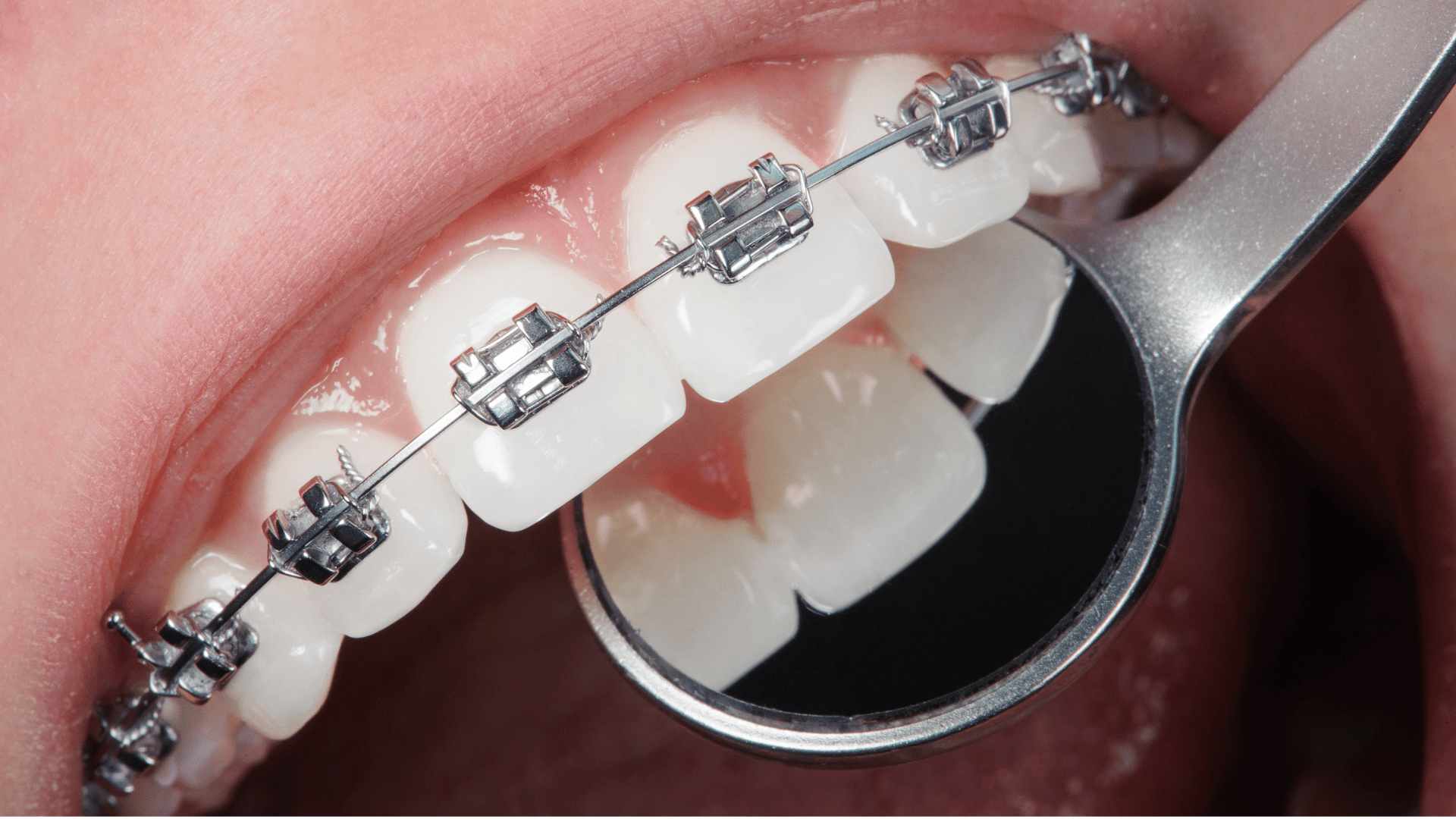
- The Procedure: We place specialized, ultra-thin metal bands (called arch bars) along your upper and lower teeth. These bars are then secured together using medical-grade wires or high-tensile orthopedic elastic bands.
- How it Works: This gently holds your upper and lower jaws together. By safely limiting your mouth movement, the fracture site is completely shielded from the daily forces of chewing, allowing the bone to heal in perfect alignment.
- Duration: Typically maintained for 3 to 4 weeks, depending on your age and cellular healing rate.
2. Modern Eyelet Wiring (Ivy Loop Fixation)
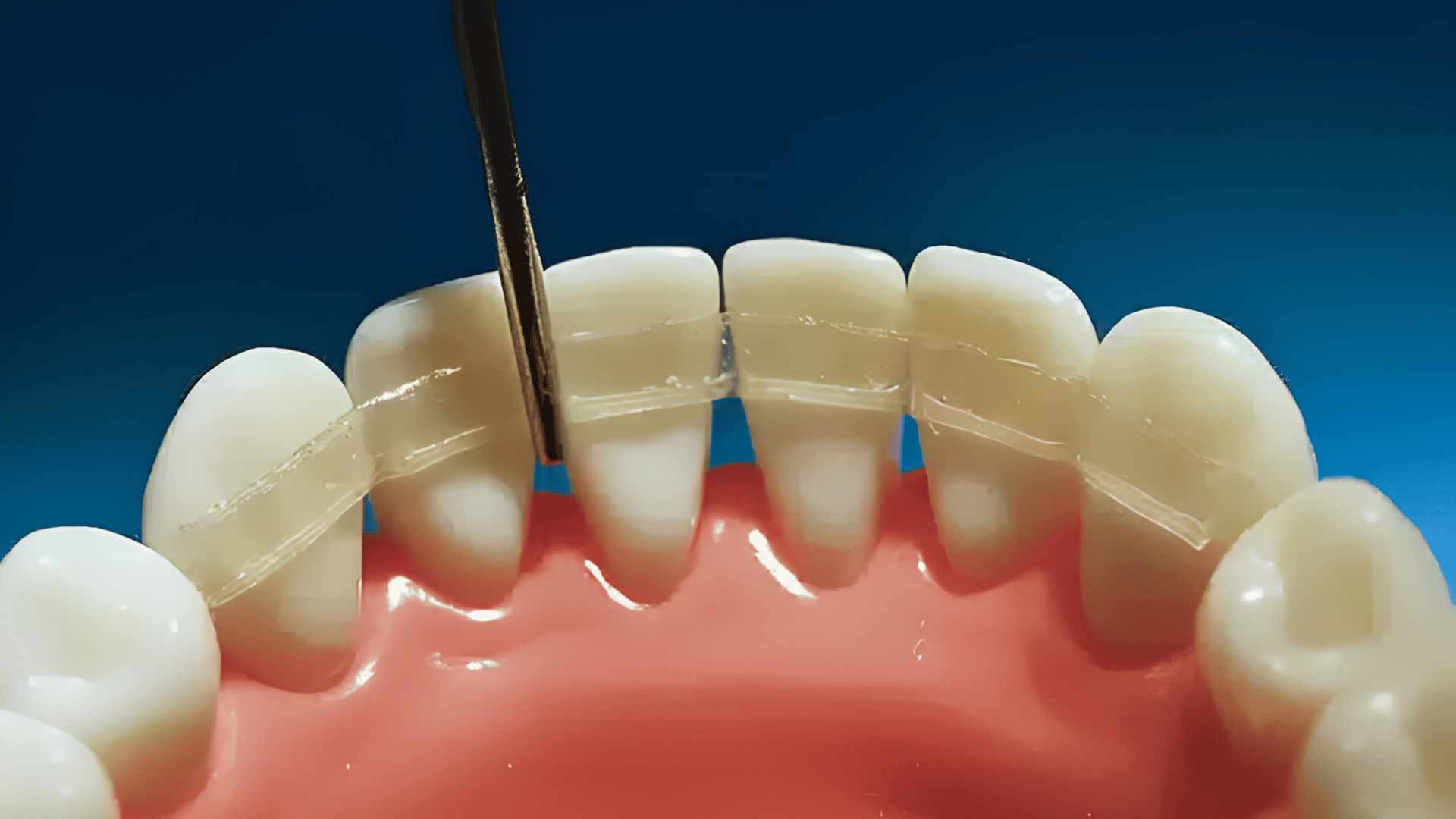
- For highly localized, stable cracks, our maxillofacial surgeons use targeted wire loops attached to specific groups of teeth. This provides excellent stabilization with significantly less hardware inside your mouth.
3. Conservative Monitoring with a Liquid-Diet Protocol
- In select, exceptionally stable cases where the fracture doesn’t shift at all when you speak, we may bypass wiring entirely. Instead, we put you on a strict, no-chew liquid diet for 6 weeks and closely monitor your bone alignment using weekly digital X-rays.
What to Expect: The Treatment Journey
We strip away the anxiety of facial trauma by walking you through our exact, calculated management protocol.
1.High-Definition 3D Diagnostics: We take an immediate digital OPG (Panoramic Radiograph) or a dental CBCT scan. This allows our maxillofacial surgeon to inspect the fracture line under high magnification and confirm that the bone fragments have zero displacement.
2.Localized Pain Elimination: Before any stabilization hardware is applied, we administer localized nerve blocks and heavy anti-inflammatory medications to instantly alleviate the deep ache and muscle spasms associated with the trauma.
3.Placement of Fixation Hardware: Our Maxillofacial Surgeon carefully fits the arch bars or Ivy loops to your teeth. If elastics are used, we calibrate the tension perfectly so your jaw is held secure without causing excessive pressure on your teeth.
4.Weekly Progress Monitoring: You will visit our chamber weekly during your healing phase. We evaluate your bite, clean the hardware, and take low-radiation digital X-rays to verify that the bone is knitting beautifully without shifting.
Critical Rules for Living with Jaw Fixation
When your jaw is wired or locked with elastics, maintaining your health and nutrition requires specialized daily adjustments:
Nutritional Care | Oral Hygiene Care |
Strict Liquid Diet: You must consume all meals through a straw or a feeding syringe. Your diet will consist of highly nutritious blended soups, protein shakes, thin dals, fruit juices, and milkshakes. | Mouthwashes are Mandatory: Because you cannot brush the inner surfaces of your teeth, you must rinse your mouth with a prescribed chlorhexidine antiseptic wash 5 to 6 times a day—especially after every liquid meal. |
High Calorie & High Protein: Bone healing requires immense energy. You will need to eat 5 to 6 small liquid meals a day to prevent weight loss. | Baby Toothbrushing: Use an ultra-soft baby toothbrush to carefully clean the outside surfaces of your teeth and the metal arch bars to prevent plaque buildup. |
⚠️ Emergency Safety Rule: Every patient with wired jaws is given a specialized pair of wire-cutting scissors to carry with them at all times. In the highly unlikely emergency event of severe vomiting, the wires must be cut instantly to protect your airway. Our team will thoroughly train you and your family on this safety protocol before you leave the clinic.
Why Kolkata Chooses Us for Maxillofacial Trauma Management
- Exclusively Treated by Maxillofacial Consultants: Jaw fractures at our clinic are never managed by general dentists. Your care will be directed by senior Oral & Maxillofacial Surgeons who routinely handle complex facial trauma at Kolkata’s major hospital trauma centers.
- Affordable, Outpatient Care: Hospitalization for a jaw fracture can cost a fortune. Because undisplaced fractures can be treated under deep local anesthesia or conscious sedation, we manage your entire treatment on an outpatient basis right at our chamber, saving you significant hospital overhead costs.
- Emergency Interventions: We understand that trauma doesn’t schedule an appointment. We fast-track accidental trauma cases for immediate diagnostic imaging and temporary stabilization.
Other Services
Make An Appointment
Apply For Treatments
Frequently Asked Question
Is a jaw fracture treatment painful?
The initial injury causes pain and muscle spasms. However, the stabilization procedure itself is performed under deep local anesthesia, making it completely painless. Once the jaw is wired or locked with elastics, patients usually report an immediate drop in pain because the broken bone fragments are no longer rubbing against each other.
How long will my jaws remain wired?
For most undisplaced fractures, the immobilization period lasts between 3 to 4 weeks. In younger patients or cases with exceptionally minor cracks, elastics may be removed even sooner based on X-ray progress.
Can I speak normally while my jaw is wired close?
You will not be able to open your mouth to speak, but you can talk through clenched teeth. Your speech will sound slurred or muffled initially, but within 48 hours, your tongue and facial muscles adapt remarkably well, allowing you to communicate clearly with family and colleagues.
How much weight will I lose on a liquid diet?
It is common to lose 2 to 5 kg during the first few weeks due to the pure liquid diet. However, you can minimize weight loss by consuming calorie-dense, high-protein liquids like commercial health drinks, blended smoothies with nut butters, and heavy cream soups.
What happens if I accidentally vomit while my mouth is wired shut?
This is a primary fear for many patients. Because you are on a strict liquid diet, anything you vomit will also be purely liquid and can easily pass through the gaps behind your back molars and between your teeth. You should lean forward instantly and let it drain. However, as an absolute safety protocol, we provide medical scissors to cut the wires immediately if you feel you are choking.
How are the wires or arch bars removed? Is it painful?
Once your weekly X-rays confirm the bone has fully healed, the wires are snipped and lifted out gently in a 15-minute outpatient appointment. No anesthesia is needed for removal, and patients describe the feeling as a mild, ticklish pressure rather than pain.