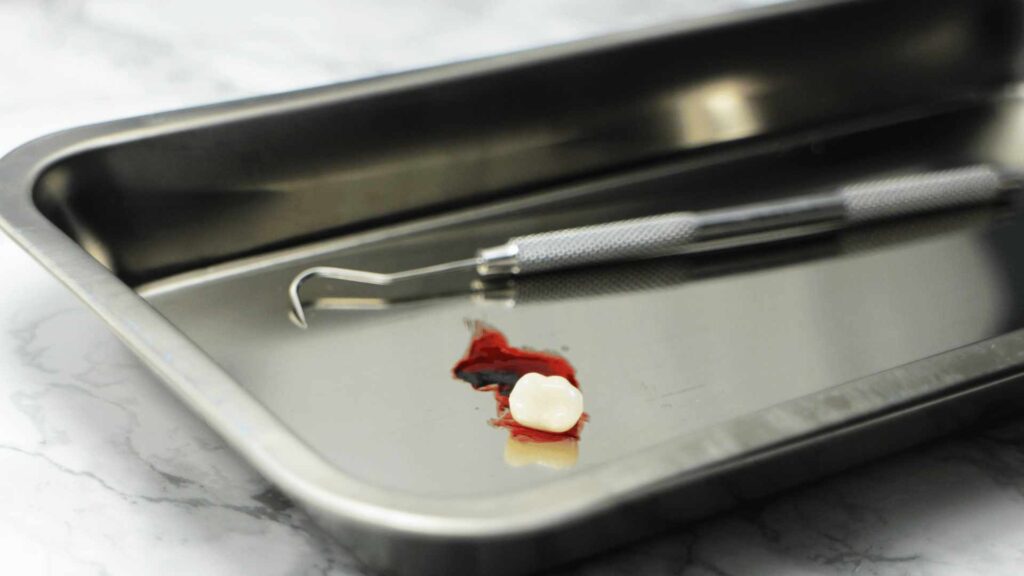
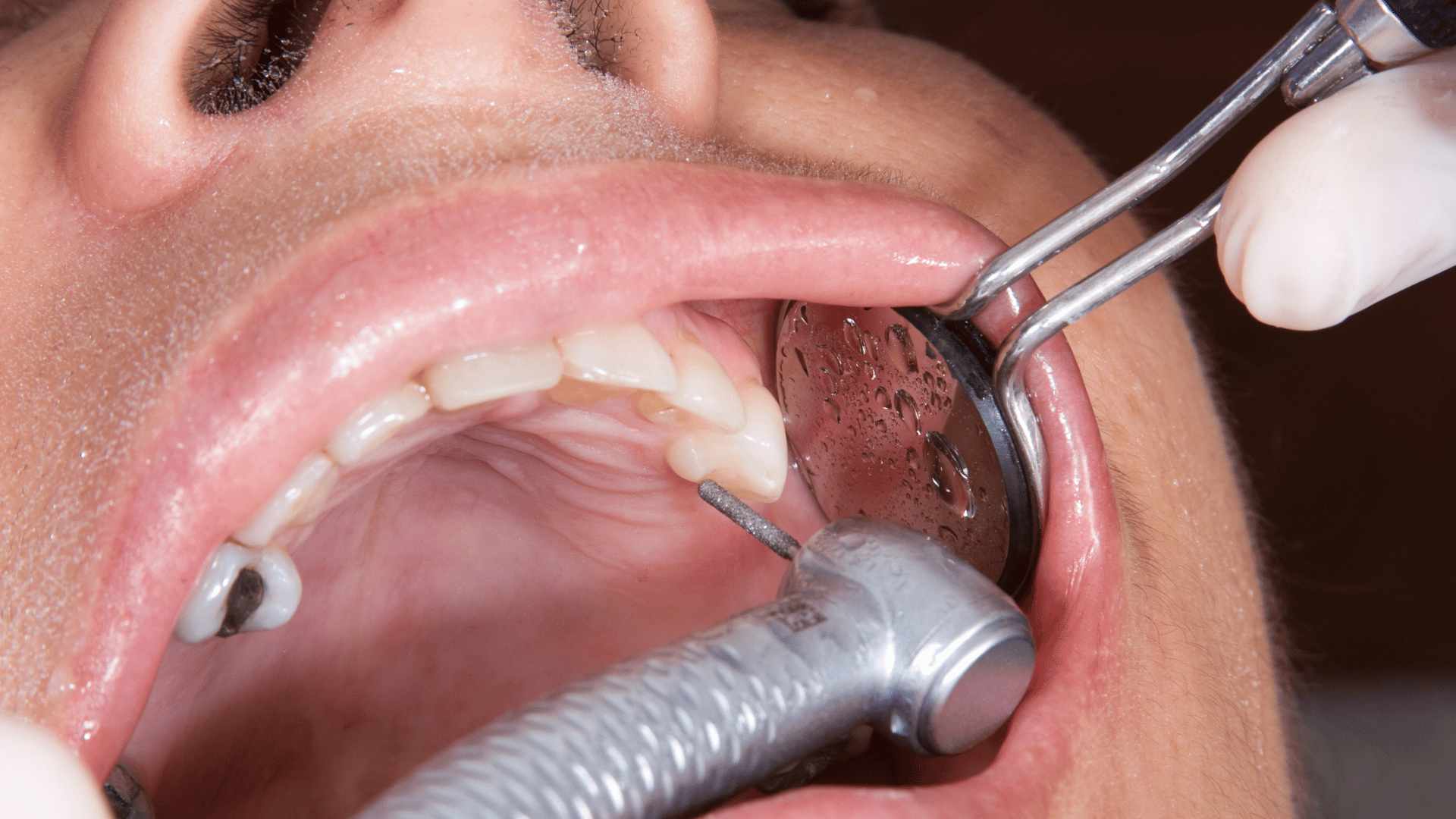
When a tooth cannot be easily accessed or removed with standard dental instruments, a standard extraction isn’t enough. Teeth that are broken off at the gum line, trapped beneath the bone, or intricately curved require a surgical approach.
At The 32 Pearls Dental Clinic, we combine the expertise of Kolkata’s top Maxillofacial Surgeons with state-of-the-art surgical technology to deliver safe, precise, and completely pain-free surgical extractions.
Simple vs. Surgical Extraction: What is the Difference?
Many patients wonder why their procedure is classified as “surgical.” Here is a quick breakdown to help you understand the difference:
- Simple Extraction: Performed on a tooth that is fully visible above the gum line. The dentist can loosen it and remove it using standard dental forceps under local anesthesia.
- Surgical Extraction: Required when a tooth is non-visible, structural fragments are trapped under the bone, or the roots are severely curved. It involves making a minor incision in the gum tissue to safely expose and section the tooth for removal.
Clinical Indications: When is Surgery Required?
Our surgical team steps in when your oral health faces complex anatomical challenges:
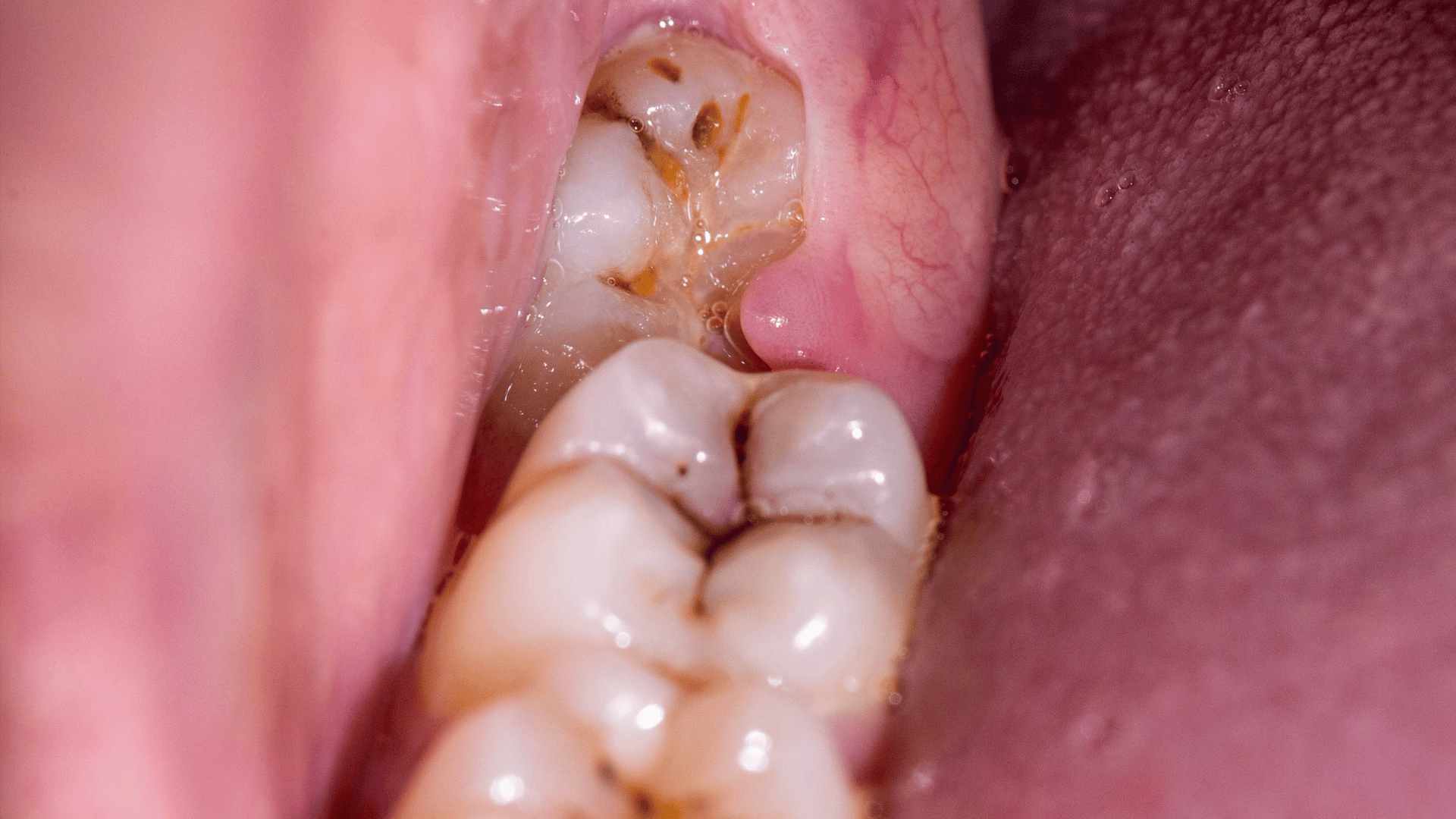
- Impacted Wisdom Teeth: Third molars that remain completely or partially trapped inside the jawbone or gum tissue, threatening neighboring molars.
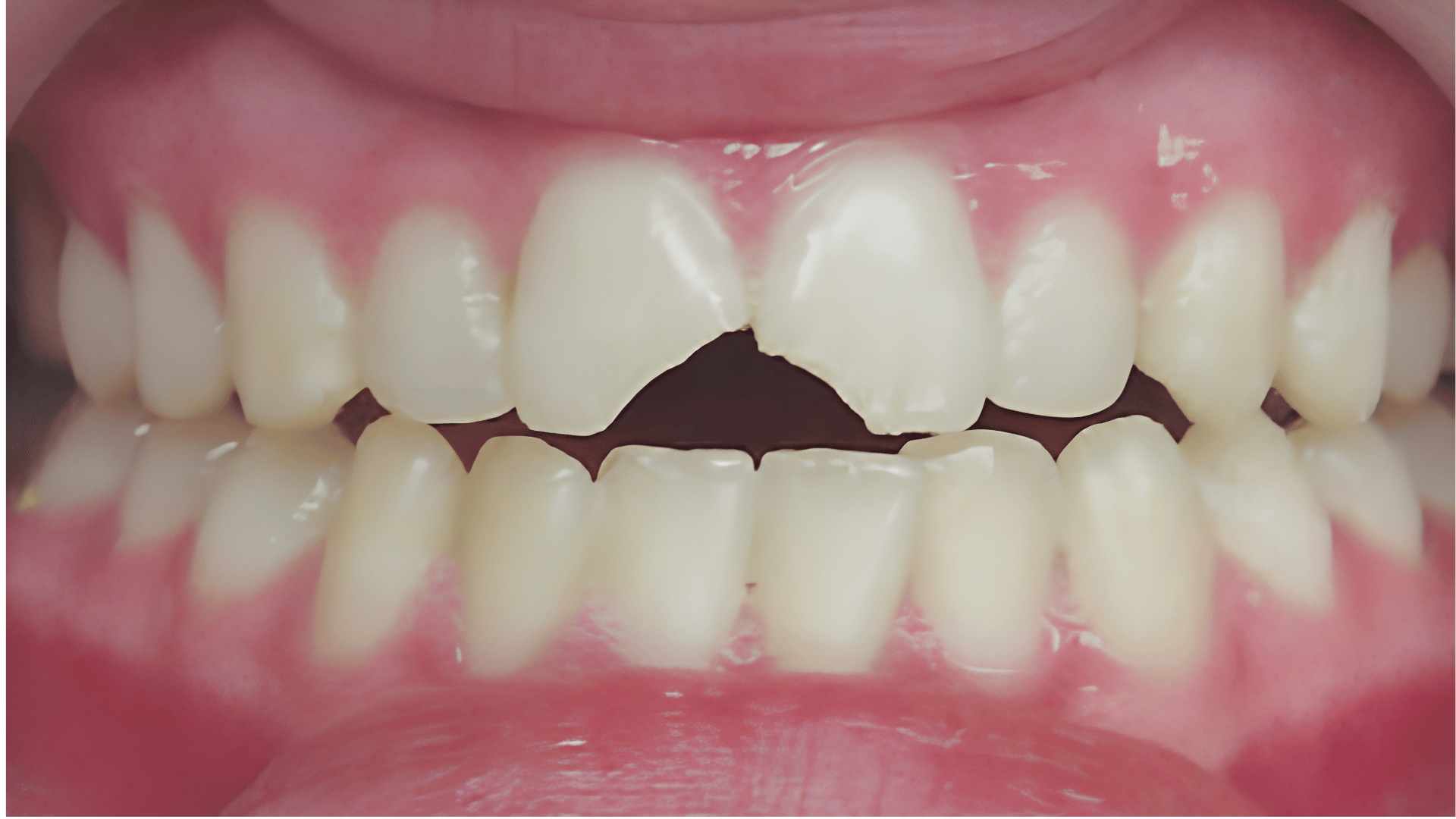
- Teeth Broken at the Gum Line: Severely decayed or fractured teeth where there is no visible crown left to grip.
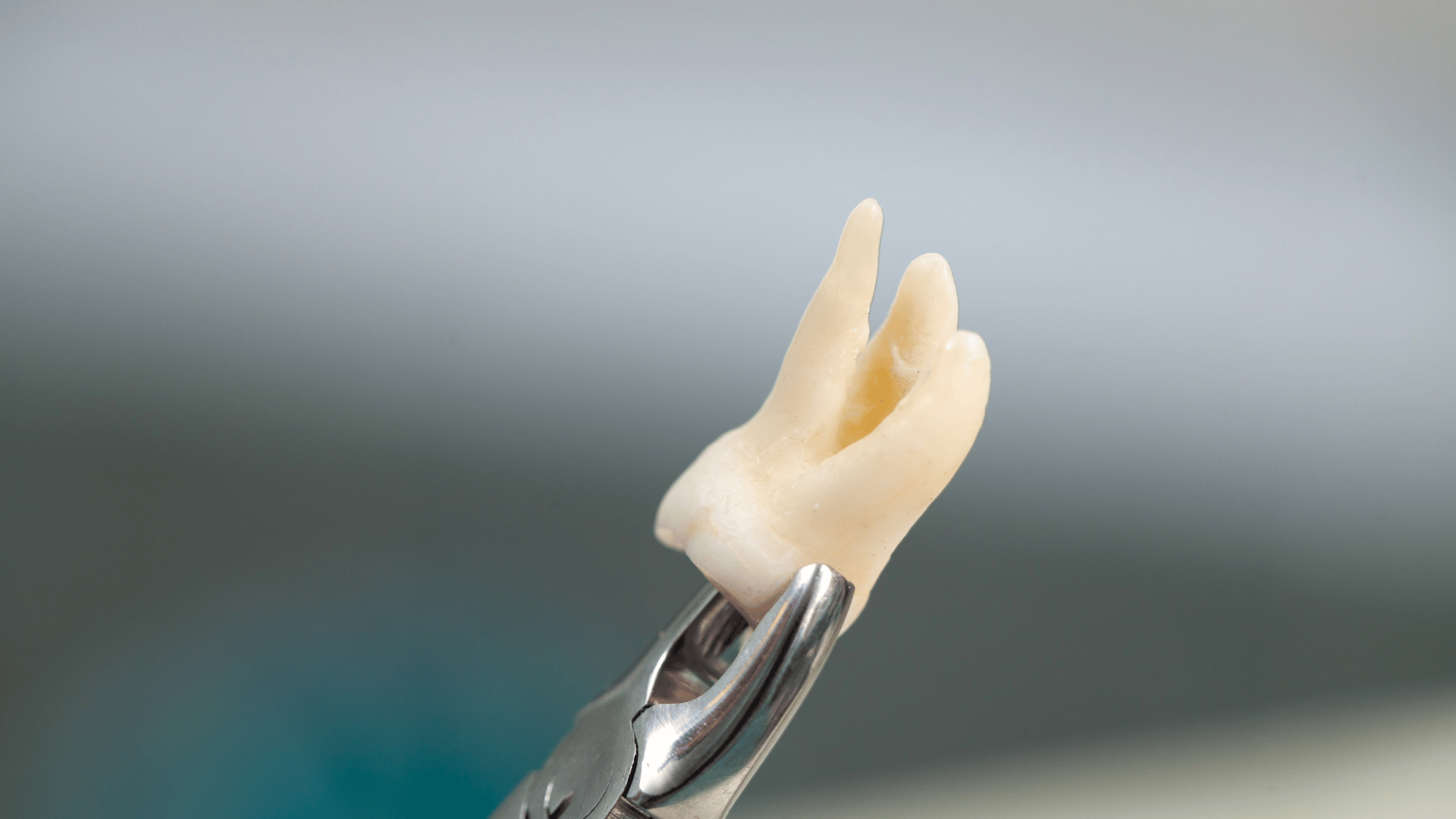
- Anatomically Challenged Roots: Teeth with unusually long, hooked, or curved roots that risk fracturing or damaging nerves if pulled normally.
- Ankylosed Teeth: A rare condition where the tooth root has fused directly to the surrounding jawbone, requiring microscopic bone separation.
Our Step-by-Step Surgical Protocol
We take out the mystery and anxiety by outlining exactly how our surgical team handles your care.
1.High-Definition 3D Diagnostics: We utilize advanced digital RVG X-rays or a CBCT (3D dental scan) to map the exact location of the roots, bone density, and proximity to major facial nerves.
2.Targeted Deep Anesthesia: We administer premium local anesthetics to completely block pain pathways. For highly anxious patients, we also offer mild sedation options to ensure total psychological comfort.
3.Micro-Incision & Tooth Sectioning: Our oral surgeon creates a tiny, controlled incision in the gum to access the tooth. To preserve the surrounding jawbone, the tooth is often carefully sectioned (divided into smaller pieces) and removed piece by piece.
4.Suturing & Advanced Healing: The area is flushed with sterile saline to eliminate bacteria. We place advanced bio-compatible sutures (often self-dissolving) to close the gum precisely, which accelerates the natural healing cycle.
Post-Surgical Recovery & Aftercare Timeline
Because surgical extractions involve gum and bone tissue, following your aftercare schedule is critical to preventing infection.
Timeline | What to Expect & Do |
Day 1 (First 24 Hours) | Keep the sterile gauze firmly pressed for 1 hour to establish a blood clot. Apply an ice pack externally to your cheek to prevent swelling. Stick entirely to cold, liquid, or mashed foods (ice cream, chilled soup, yogurt). |
Days 2 to 3 | Minor swelling and jaw stiffness are completely normal. Take your prescribed anti-inflammatories and antibiotics without skipping a dose. Start gentle lukewarm saltwater rinses after 24 hours have passed. |
Days 4 to 7 | Swelling will significantly subside. You can transition back to semi-solid foods like khichdi or soft pasta. Avoid all hard, crunchy, or spicy street food until full tissue closure. |
Absolute Restrictions: Strictly NO smoking, NO drinking alcohol, and NO using straws for at least 5 to 7 days. The suction force or chemical exposure will dislodge the healing blood clot, causing a highly painful condition called Alveolar Osteitis (Dry Socket).
Why Kolkata Trusts The 32 Pearls Dental Clinic for Oral Surgery
- Consultant Maxillofacial Specialists: Our surgical extractions are not performed by general practitioners. They are executed by premier Oral and Maxillofacial Surgeons affiliated with Kolkata’s leading medical institutes.
- Advanced Piezo-Surgery Equipment: We utilize specialized ultrasonic bone surgery units wherever possible. This ensures micro-precise bone cutting while leaving soft tissues and nerves completely untouched, resulting in faster healing.
- Strict Autoclave Protocols: We maintain hospital-grade, 4-tier sterilization workflows to combat cross-contamination.
- Transparent Kolkata Pricing: Surgical extractions vary based on complexity (e.g., partial vs. full bone impaction). We provide a clear, upfront financial quote immediately after reviewing your X-ray—no hidden operational fees.